This post contains affiliate links. As an Amazon Associate I earn from qualifying purchases.
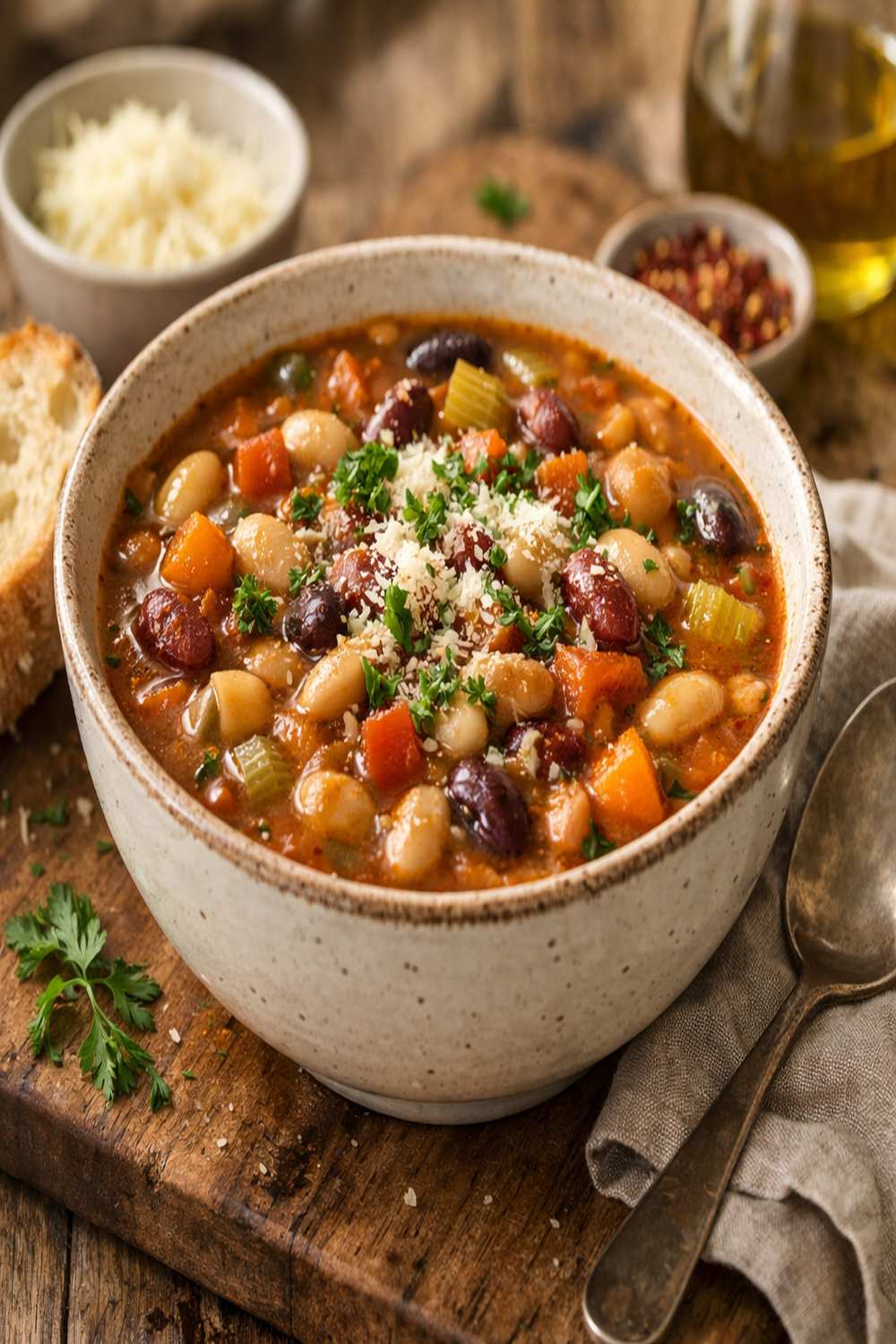
This easy bean soup recipe brings together the rustic warmth of Italian comfort food and the vibrant, herb-forward traditions of Mediterranean cooking in a way that honors both cuisines while creating something entirely new. I grew up watching my abuela simmer pots of beans for hours at family gatherings in Miami, but it wasn’t until I studied nutrition and spent time exploring Mediterranean cooking that I realized how these two culinary worlds were actually kindred spirits. Both traditions understand that humble legumes, when treated with respect and fresh aromatics, become liquid gold on the dinner table.
Easy Bean Soup Recipe: Where Italian Tradition Meets Mediterranean Vitality
I’ll never forget the moment this recipe came to life in my kitchen. It was a humid Thursday evening in Tampa, and I had three cans of mixed beans staring at me from the pantry—leftovers from a meal prep session that didn’t quite go according to plan. My partner was coming home hungry after a long day, and I had maybe thirty minutes to create something that felt both nourishing and intentional. I thought about those long simmering pots from my childhood and the bright, fresh approach I’d learned from Mediterranean cooking. What if I combined the soul-warming heartiness of Italian bean soups with the fresh herb brightness of Greek and Moroccan traditions?
The result? A one-pot wonder that tastes like you’ve been tending it all day, but comes together in under forty minutes. This fusion honors both culinary traditions—the slow-cooked depth of Italian minestrone and the fresh, aromatic finish of Mediterranean coastal cooking. It’s practical, forgiving, and absolutely delicious.
The Two Traditions Behind This Dish
Italian bean soup culture runs deep—generations of pasta e fagioli and rustic minestrone have sustained families through centuries. These soups build flavor through patient sautéing and the natural starch that beans release, creating creamy texture without cream. The Mediterranean tradition, on the other hand, celebrates the brightness of fresh herbs, lemon juice, and spices added at the very end—techniques that preserve both nutrition and vibrancy.
- Italian Foundation – The mirepoix base (onion, carrot, celery), slow development of aromatics, and multiple bean varieties create the deep, complex backbone
- Mediterranean Brightness – Fresh parsley, lemon juice, and the technique of wilting delicate greens at the finish add nutritional density and flavor pop
Why This Fusion Works
From a flavor science perspective, these two traditions complement each other beautifully. Italian cooking builds umami through patient sautéing and vegetable breakdown, while Mediterranean cooking adds what I call “brightness notes”—the acid from lemon and the fresh herbal compounds in parsley that activate your palate and aid digestion. The three types of beans provide different textures: cannellini beans break down slightly and thicken the broth, while borlotti and pinto beans hold their shape, creating a soup that’s both creamy and substantial.
From a nutritional standpoint, this fusion is genius. Beans are packed with resistant starch and soluble fiber, but adding fresh herbs like parsley increases bioavailable minerals and phytonutrients. The tomatoes contribute lycopene (enhanced by cooking in fat), while the lemon juice at the end increases iron absorption from the greens. This isn’t just tasty—it’s a masterclass in how traditional cuisines already understood nutritional synergy.
The Ingredients – A Tale of Two Traditions
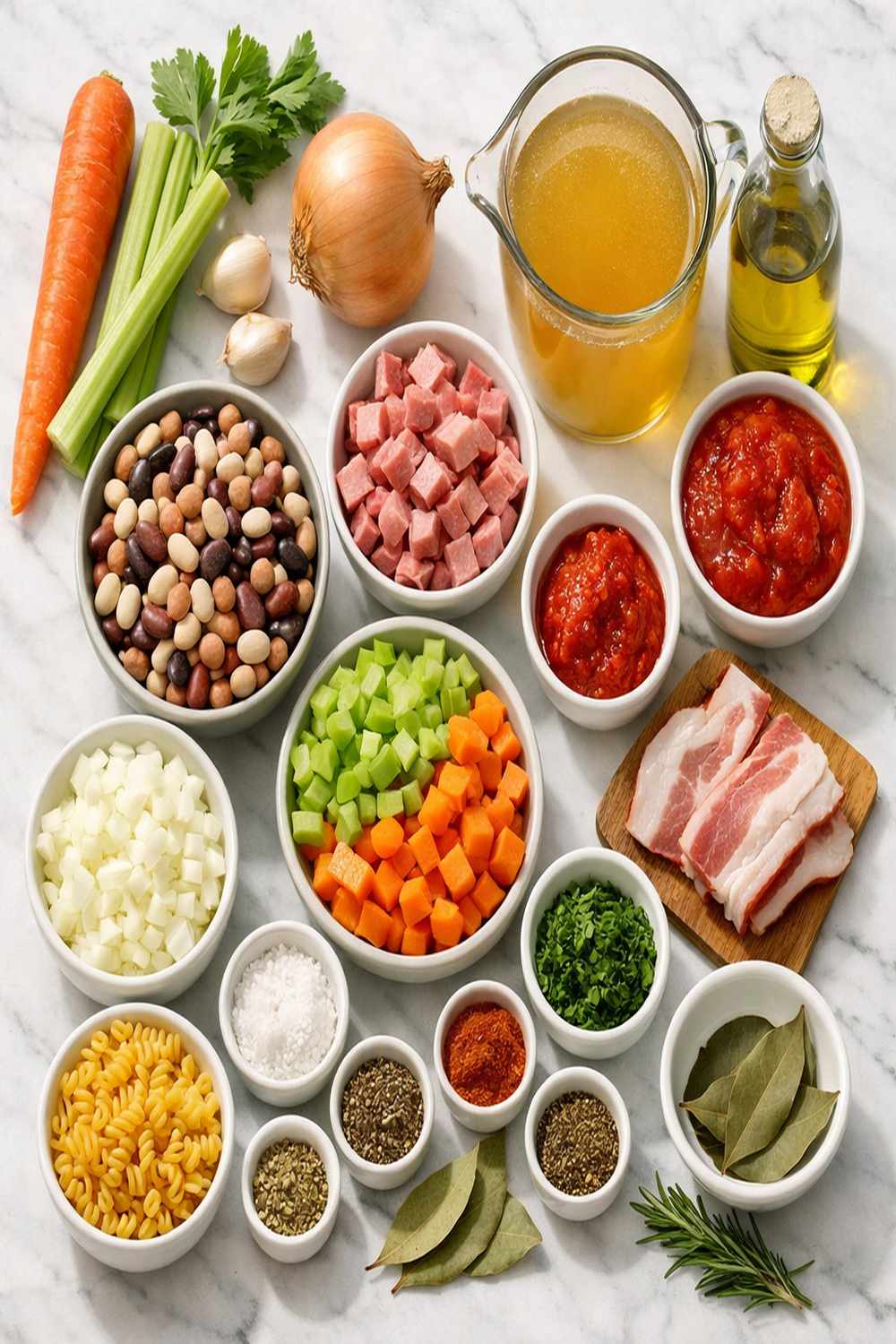
Here’s what I love about this recipe: every single ingredient plays a role, and you likely have most of these on hand. The Italian tradition shows up in your foundational aromatics and beans, while Mediterranean elements shine in the finishing touches. Serves 4-6 people generously, with enough for leftovers.
- Sea salt and freshly cracked black pepper to taste (allows tasters to personalize their bowls)
- ½ lemon, juiced fresh (Mediterranean acid that awakens flavors and enhances iron absorption)
- 3 tablespoons fresh flat-leaf parsley, finely chopped (Mediterranean brightness, adds chlorophyll and fresh enzyme activity)
- 1 large red onion, diced into ¼-inch pieces (Italian soffritto base, provides sweetness when caramelized)
- 4 cups vegetable broth, low-sodium (allows you to control salt and layer flavors intentionally)
- 5 garlic cloves, minced fine (Mediterranean flavor backbone, brings sulfur compounds that support immune function)
- ½ teaspoon red chili flakes (Mediterranean heat, aids circulation and metabolism)
- 3 tablespoons extra virgin olive oil (divided between the cooking stage and finishing for best flavor extraction)
- 1 can (14 oz) cannellini beans, drained and rinsed thoroughly (Italian classic, creates creamy broth as they break down)
- 3 celery stalks, diced into ¼-inch pieces (Italian mirepoix, provides mineral content and subtle herbal notes)
- 1½ tablespoons dried oregano (Mediterranean herb, more concentrated flavor than fresh when building the base)
- 1 can (14 oz) crushed tomatoes, San Marzano variety if possible (Italian tradition, natural umami from glutamates)
- 2 cups fresh baby spinach, loosely packed (Mediterranean finish, wilts in residual heat)
- 1 can (14 oz) borlotti beans, drained and rinsed (Italian variety, holds shape well and adds earthiness)
- 2 medium carrots, diced into ¼-inch pieces (adds natural sweetness and beta-carotene)
- 1 can (14 oz) pinto beans, drained and rinsed (adds creamy texture and slightly sweet undertone)
How to Make This Fusion Easy Bean Soup Recipe
I’m going to walk you through this step-by-step, and I want you to understand the “why” behind each technique. This isn’t just following directions—you’re honoring two culinary traditions while creating something entirely your own. The beauty of this soup is that it’s forgiving, but when you understand the technique, it becomes foolproof.
Step 1: Build Your Italian Foundation With The Soffritto
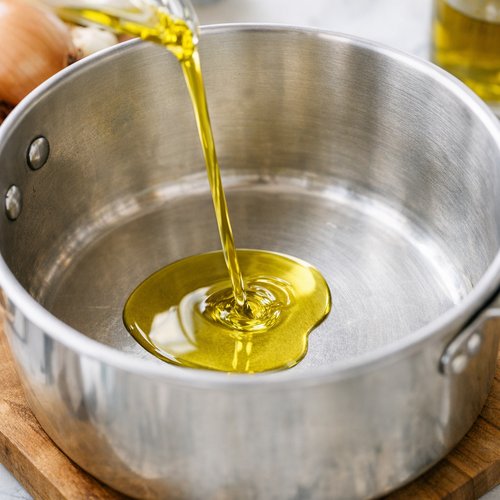
Pour 1 tablespoon of your olive oil into a large, heavy-bottomed pot—I prefer stainless steel or enameled cast iron, never non-stick for this technique because you want to develop fond (those browned bits) that add depth. Set your heat to medium and add your diced onion, carrot, and celery. This is your soffritto, the Italian aromatic base that gives this soup its soul.
Here’s the critical part: stir continuously for 6-7 minutes. You’re not looking for color here—you’re looking for the vegetables to soften and release their moisture. Listen to your soup; you’ll hear the sizzle quiet down as the water content releases. This patient sautéing is where Italian tradition shines. Rushing this step is one of the biggest mistakes home cooks make.
Step 2: Awaken The Aromatics With Heat and Spice
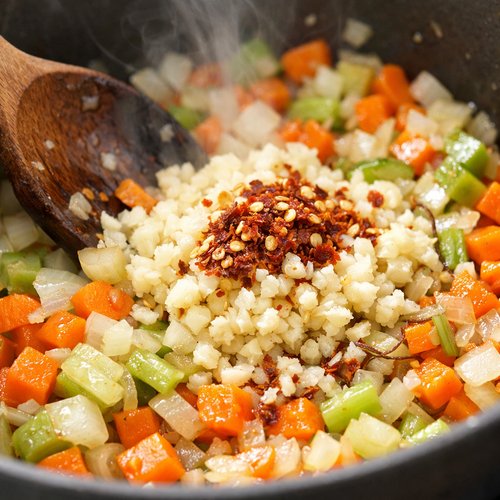
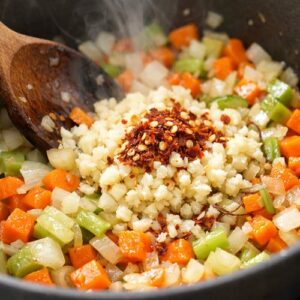
Once your vegetables are tender and slightly translucent at the edges, add your minced garlic and red chili flakes. Cook for exactly 1 minute—no longer. You’ll know it’s ready when you smell that pungent, sweet garlic aroma (the volatile oils have activated). If you cook garlic longer than this, it turns bitter, and all that nutrition becomes locked away.
This is where the Mediterranean tradition enters: the garlic and heat wake up your dish, preparing your palate for what’s to come. The chili flakes don’t just add heat; they activate capsaicin, which has thermogenic properties and supports circulation.
Step 3: Introduce The Tomatoes and Italian Herb Notes
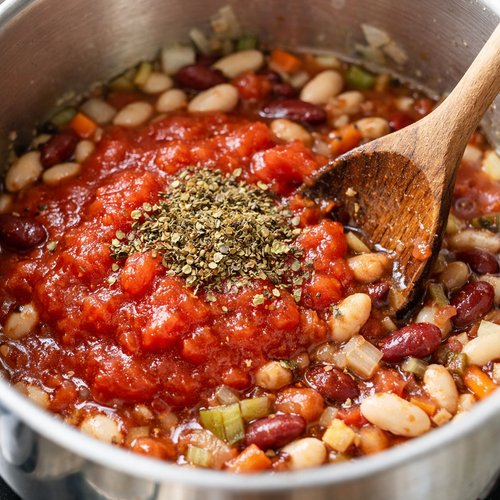
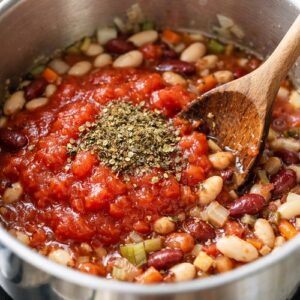
Pour in your can of crushed tomatoes (juice and all) and add the dried oregano. Stir well, making sure nothing sticks to the bottom of your pot. Now you’re going to let this simmer for 2-3 minutes untouched. This is crucial—the tomato acid needs to meld with your aromatics, and the oregano needs to hydrate and release its essential oils.
Tomatoes are fascinating from a nutritional perspective: the lycopene (that powerful antioxidant) is actually more bioavailable when tomatoes are cooked and paired with fat (your olive oil). This is Italian tradition at its most scientifically sound.
Step 4: Introduce The Beans and Let The Magic Begin
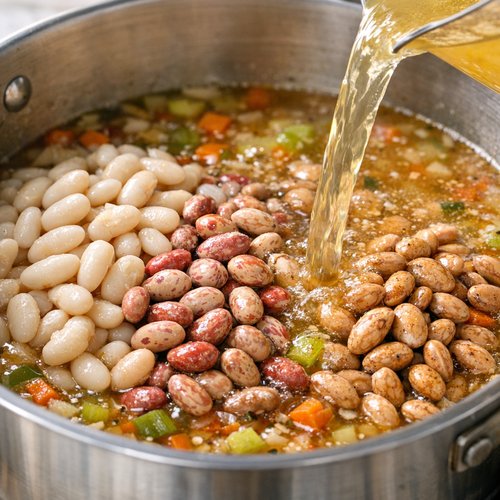
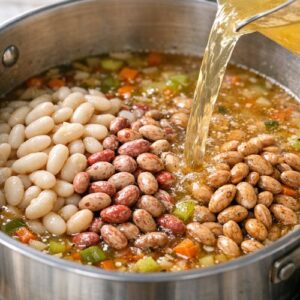
This is where your three bean varieties come in. Add all your rinsed cannellini, borlotti, and pinto beans to the pot, then pour in your 4 cups of vegetable broth. Stir gently to combine, being careful not to break up the beans. Bring the liquid to a boil over medium-high heat, then immediately reduce to medium-low and simmer for 20 minutes.
What’s happening here is important: as the beans simmer, they release their starches into the broth, which naturally thickens the soup and creates that creamy texture without any cream. The cannellini beans will break down slightly; this is exactly what you want. The other beans maintain their integrity. This layering of textures is the signature of thoughtful cooking.
CRITICAL SAFETY NOTE: If you’re using dried beans you’ve cooked yourself, ensure they’ve been brought to a rolling boil for at least 10 minutes before simmering—this deactivates lectins, naturally occurring compounds that can cause digestive upset. Canned beans have already undergone this treatment, making them safe, but always rinse them to reduce sodium content.
Step 5: Finish With Mediterranean Brightness
After your 20-minute simmer, your soup will have thickened noticeably and developed a beautiful, cohesive flavor. Now comes the moment where Mediterranean tradition transforms your dish. Add your fresh baby spinach, chopped parsley, and the juice from your half lemon. Immediately cover the pot with a lid.
Let it sit, covered, for 2-3 minutes. The residual heat will wilt the spinach perfectly—it stays bright green and maintains its nutritional density. Fresh herbs added at the end preserve volatile compounds and enzymes that are destroyed by prolonged cooking. This is the secret that separates restaurant-quality soup from “just okay” soup.
Once you remove the lid, taste your soup and season with sea salt and freshly cracked black pepper to your preference. The lemon juice should brighten every spoonful—you should taste the acid cutting through the richness of the beans.
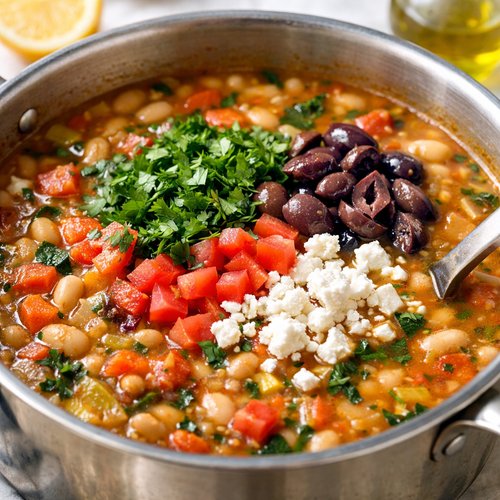
Expert’s Nutritional Tip: Why The Finishing Oil Matters
Here’s something I always tell my nutrition clients: that final drizzle of raw olive oil you might add to your bowl isn’t just for flavor. Raw olive oil contains polyphenols—powerful plant compounds that are destroyed by heat. By reserving some oil for finishing, you’re maximizing the anti-inflammatory and antioxidant benefits. Use a high-quality extra virgin oil for this final touch. It’s not an indulgence; it’s strategic nutrition.
How to Customize The Fusion Ratio
One of the best parts about understanding fusion cooking is knowing how to shift the balance based on your mood or what you have on hand. Here’s how to lean into either tradition:
- More Italian, Deeper Comfort: Add an additional can of beans and reduce the broth by ½ cup (this creates a thicker, more substantial soup). Increase the oregano to 2 tablespoons and add 1 tablespoon of balsamic vinegar instead of lemon juice. Finish with a sprinkle of Parmigiano-Reggiano instead of fresh herbs.
- More Mediterranean, Brighter and Lighter: Increase the broth by 1 cup for a brothier consistency. Add fresh mint (2 tablespoons) alongside the parsley. Use the full juice of one lemon instead of a half. Add a handful of fresh basil at the very end. Consider finishing with a dollop of avocado spread for richness that honors both traditions.
Make-Ahead and Meal Prep Guide
As a registered dietitian who helps busy families plan their weeks, I always emphasize that great cooking is really about planning. This soup is genuinely one of the best meal prep recipes I recommend.
Advance Preparation (Up to 2 Days Before): You can prepare your mirepoix (diced onion, carrot, and celery) and store it in an airtight container in your refrigerator. Keep your garlic minced separately in a small container—minced garlic oxidizes quickly and can develop off-flavors. Don’t prep your fresh herbs until just before serving.
Cooking and Storage (Up to 5 Days Refrigerated): Make your soup through Step 4 (just before adding the fresh spinach and herbs). Let it cool completely to room temperature, then transfer to airtight containers. When you’re ready to serve, reheat gently over medium heat, then add the fresh spinach, parsley, and lemon juice at the very end. This preserves the nutritional integrity and bright flavors of your finishing ingredients.
Freezing Instructions (Up to 3 Months): This soup freezes beautifully—again, make it through Step 4. Cool completely, then portion into freezer-safe containers or gallon-sized freezer bags (flat bags save space). Label with the date. When reheating from frozen, thaw overnight in the refrigerator, then reheat and finish with fresh herbs and lemon.
Make-Ahead Pro Tip: I often make a double batch on Sunday, eat three servings throughout the week, and freeze the rest for emergencies. There’s genuine nutrition science behind this: when you batch-cook, you’re more likely to eat homemade, whole-food meals throughout the week, which stabilizes blood sugar and supports sustainable energy.
Common Mistakes to Avoid
After years of teaching cooking classes and consulting with clients, I’ve identified the patterns that separate good soup from great soup. Here’s what I watch for:
- Skipping the Rinse on Canned Beans: I see this constantly. Those canned beans are swimming in sodium and starch. Rinse them thoroughly under cool running water for at least 30 seconds per can. This reduces sodium by up to 40% and prevents your soup from tasting tinny or overly salty.
- Overcooking The Soffritto: Patience in minutes 1-7 is everything. If your aromatics brown too much, they turn bitter. You want them soft and aromatic, not caramelized. Medium heat is your friend here.
- Adding Fresh Herbs Too Early: I cannot stress this enough. Fresh parsley and delicate greens should never simmer for 20 minutes. They lose color, nutrition, and vibrancy. Add them in the final 2-3 minutes. This isn’t optional; it’s what separates professional-quality cooking from mediocre results.
- Forgetting The Acid Balance: Lemon juice at the end isn’t garnish—it’s a flavor amplifier. It makes every other component taste more like itself. Taste your soup before and after the lemon juice. The difference will shock you. Start with half a lemon and add more to taste; you can’t take it back.
Seasonal Variations: Honoring What’s Fresh
One of the most beautiful aspects of fusion cooking is how it allows you to honor seasonal ingredients while maintaining the soul of the dish. Here’s how I adapt this soup throughout the year:
- Spring (March-May): Replace the spinach with tender spring peas (add them in the final minute so they stay bright green and slightly firm). Add fresh dill alongside the parsley. Use the zest of your lemon in addition to the juice. Consider adding thinly sliced spring onions as a garnish.
- Summer (June-August): Add fresh corn kernels (1 cup) in the final 5 minutes of cooking. Use fresh basil instead of some of the parsley. Replace half the dried oregano with fresh oregano added at the end. A splash of white wine (¼ cup) added with the tomatoes brings brightness and complexity.
- Fall (September-November): Add diced butternut squash (¾ cup) in Step 3, right after the tomatoes. Increase the dried oregano to 2 tablespoons. Add ½ teaspoon of ground cumin and ¼ teaspoon of cinnamon for warmth. Sage works beautifully instead of parsley as a finishing herb.
- Winter (December-February): Add diced mushrooms (1½ cups) sautéed separately and stirred in at the end for umami depth. Use hearty kale instead of spinach (add it in Step 4 so it has time to soften). Add ½ teaspoon of ground thyme. A squeeze of orange juice instead of lemon adds complexity.
Other Great Italian x Mediterranean Combinations
Once you understand how these two traditions dance together, you’ll see them everywhere. Here are some other dishes that successfully fuse Italian and Mediterranean cooking:
- Pasta with Herb Pesto and White Bean Ragù: Italian pasta meets Mediterranean herbs in a protein-rich sauce that tastes indulgent but is actually quite wholesome
- Polenta with Tomato Confit and Fresh Basil Oil: Creamy Italian polenta finished with bright Mediterranean herb techniques creates depth and brightness in one bowl
- Roasted Vegetable and Farro Bowl with Tahini-Lemon Dressing: Italian farro joins Mediterranean techniques and ingredients for a grain bowl that respects both traditions
- Eggplant Caponata with Fresh Mint and Crispy Breadcrumbs: This Sicilian dish is actually a perfect fusion—it features both Italian technique and Mediterranean brightness in one dish
Can I Store Easy Bean Soup Recipe?
Refrigerator (3-5 days): Store your completely cooled soup in airtight glass containers. I prefer glass because it doesn’t retain odors and you can see exactly how much you have left. The soup will actually taste better on Day 2 or 3 as the flavors continue to meld. Reheat gently over medium heat, stirring occasionally. If you’ve already added the fresh herbs and lemon, consume within 24 hours for best quality.
Freezer (up to 3 months): Make through Step 4 (before the fresh greens and herbs), cool completely, then freeze in airtight containers or freezer bags. Leave about ½ inch of space at the top of containers because soup expands slightly when frozen. I prefer to freeze in 2-cup portions so I can defrost exactly what I need.
Thawing and Reheating: Never thaw on the counter. Thaw overnight in the refrigerator, then reheat over medium heat (not a boil, which can break down the beans further). Add your fresh herbs and lemon juice only after reheating. A frozen portion reheats beautifully in about 8-10 minutes over medium heat.
Quality Note: This soup actually freezes better than it keeps in the refrigerator because the colder temperature halts bacterial growth completely. Frozen soup maintains quality longer than refrigerated because oxidation slows dramatically. The fresh herb finish will taste brightest if added to freshly reheated soup.
Nutrition Information
Per serving (1 cup, based on 6 servings total): 245 calories, 7g fat, 38g carbohydrates, 11g fiber, 12g protein, 3g sugar, 890mg sodium, 8mg iron, 65mcg folate, 420mg potassium.
According to USDA nutrition database analysis, this soup delivers significant nutritional density. Here’s what makes it special from both a traditional and modern nutrition perspective:
From the Italian Bean Tradition: The three-bean combination provides complementary amino acid profiles—together they form a complete protein, which is why legumes have sustained Mediterranean populations for millennia. Beans are also rich in resistant starch, which feeds beneficial gut bacteria and supports stable blood sugar levels for hours after eating.
From the Mediterranean Herb Tradition: The fresh parsley adds significant amounts of vitamin K (necessary for bone health and blood clotting), while the raw lemon juice increases bioavailability of the iron from the beans and spinach through its vitamin C content. One study in the American Journal of Clinical Nutrition found that adding just a small amount of citric acid increased non-heme iron absorption by up to 3-fold.
The Olive Oil Factor: The 3 tablespoons of olive oil distributed throughout this recipe provides approximately 360 calories and contains over 100 polyphenols, compounds with documented anti-inflammatory effects. The fat is also essential for the absorption of fat-soluble vitamins (A, D, E, K) from your vegetables.
For Dietary Needs: This soup is naturally vegan (no animal products), gluten-free (if using certified gluten-free broth), and suitable for most allergies. One cup provides approximately 6g of fiber, which exceeds the recommendation many Americans fall short on.
What to Serve With Easy Bean Soup Recipe?
This soup is genuinely satisfying enough to eat alone—the three-bean combination creates complete protein, and the fiber content means you’ll feel satisfied for hours. But if you’re building a meal, here’s what I recommend:
- Crusty Sourdough Bread or Focaccia: Italian tradition calls for bread, and for good reason—the carbs and subtle fermentation aid digestion. Serve warm with a small bowl of your best olive oil for dipping.
- Simple Green Salad with Lemon Vinaigrette: Lettuce, thinly sliced red onion, and fresh herbs dressed simply with lemon juice and olive oil provides freshness that complements the soup’s richness.
- Best Vegan Lasagna: For a heartier meal, serve this soup as a first course before a vegetable-forward lasagna. The bright flavors prepare your palate for richer flavors to come.
- Blueberry Crisp for Dessert: Finish your Italian-Mediterranean feast with a lighter fruit-forward dessert that won’t overwhelm after such a satisfying main course.
- Brunch Potato Recipe Make Ahead: For a heartier meal option, roasted potatoes with fresh herbs complement this soup beautifully when you want something more substantial.

Easy Bean Soup Recipe
Ingredients
Method
- Pour 1 tablespoon of your olive oil into a large, heavy-bottomed pot—I prefer stainless steel or enameled cast iron, never non-stick for this technique because you want to develop fond (those browned bits) that add depth. Set your heat to medium and add your diced onion, carrot, and celery. This is your soffritto, the Italian aromatic base that gives this soup its soul. Here's the critical part: stir continuously for 6-7 minutes. You're not looking for color here—you're looking for the vegetables to soften and release their moisture. Listen to your soup; you'll hear the sizzle quiet down as the water content releases. This patient sautéing is where Italian tradition shines. Rushing this step is one of the biggest mistakes home cooks make.

- Once your vegetables are tender and slightly translucent at the edges, add your minced garlic and red chili flakes. Cook for exactly 1 minute—no longer. You'll know it's ready when you smell that pungent, sweet garlic aroma (the volatile oils have activated). If you cook garlic longer than this, it turns bitter, and all that nutrition becomes locked away. This is where the Mediterranean tradition enters: the garlic and heat wake up your dish, preparing your palate for what's to come. The chili flakes don't just add heat; they activate capsaicin, which has thermogenic properties and supports circulation.
- Pour in your can of crushed tomatoes (juice and all) and add the dried oregano. Stir well, making sure nothing sticks to the bottom of your pot. Now you're going to let this simmer for 2-3 minutes untouched. This is crucial—the tomato acid needs to meld with your aromatics, and the oregano needs to hydrate and release its essential oils. Tomatoes are fascinating from a nutritional perspective: the lycopene (that powerful antioxidant) is actually more bioavailable when tomatoes are cooked and paired with fat (your olive oil). This is Italian tradition at its most scientifically sound.
- This is where your three bean varieties come in. Add all your rinsed cannellini, borlotti, and pinto beans to the pot, then pour in your 4 cups of vegetable broth. Stir gently to combine, being careful not to break up the beans. Bring the liquid to a boil over medium-high heat, then immediately reduce to medium-low and simmer for 20 minutes. What's happening here is important: as the beans simmer, they release their starches into the broth, which naturally thickens the soup and creates that creamy texture without any cream. The cannellini beans will break down slightly; this is exactly what you want. The other beans maintain their integrity. This layering of textures is the signature of thoughtful cooking. CRITICAL SAFETY NOTE: If you're using dried beans you've cooked yourself, ensure they've been brought to a rolling boil for at least 10 minutes before simmering—this deactivates lectins, naturally occurring compounds that can cause digestive upset. Canned beans have already undergone this treatment, making them safe, but always rinse them to reduce sodium content.
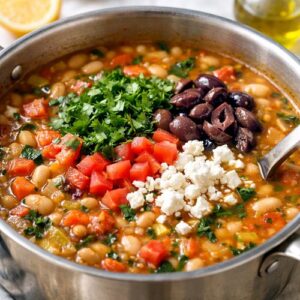
- After your 20-minute simmer, your soup will have thickened noticeably and developed a beautiful, cohesive flavor. Now comes the moment where Mediterranean tradition transforms your dish. Add your fresh baby spinach, chopped parsley, and the juice from your half lemon. Immediately cover the pot with a lid. Let it sit, covered, for 2-3 minutes. The residual heat will wilt the spinach perfectly—it stays bright green and maintains its nutritional density. Fresh herbs added at the end preserve volatile compounds and enzymes that are destroyed by prolonged cooking. This is the secret that separates restaurant-quality soup from "just okay" soup. Once you remove the lid, taste your soup and season with sea salt and freshly cracked black pepper to your preference. The lemon juice should brighten every spoonful—you should taste the acid cutting through the richness of the beans.
Notes
FAQs
Can I Use Dried Beans Instead of Canned?
Absolutely, and honestly, many purists prefer it. Soak 1 cup of dried beans (mixed varieties) overnight, then drain. In a separate pot, bring them to a rolling boil for 10 minutes to deactivate lectins, then reduce to a simmer for 45 minutes to 1 hour until tender. Once they’re cooked, use them exactly as you would canned beans in this recipe. The advantage? You control the sodium completely, and dried beans often have better texture. The disadvantage? You need advance planning. I batch-cook dried beans on Sundays and freeze them specifically for weeknight cooking like this.
What If I Don’t Have All Three Bean Varieties?
Use what you have—three cans of any combination of beans (cannellini, borlotti, pinto, kidney, black beans) will work. The soup won’t have quite the same complex texture, but it will still be delicious. If you only have one variety, use three cans of that same bean. The flavor profile stays similar; only the textural complexity shifts slightly.
Can I Make This Soup Without Oil?
Technically yes, but I wouldn’t recommend it from either a flavor or nutrition perspective. The oil is essential for extracting flavor from your aromatics and herbs, and it’s necessary for absorbing fat-soluble vitamins from your vegetables. If you’re following a very low-fat diet for medical reasons, use 1 tablespoon total instead of 3, and sauté your aromatics in a few tablespoons of vegetable broth instead. The soup will work, but it won’t sing the way it’s meant to.
Is This Soup Suitable for People with Digestive Sensitivity?
Beans can cause digestive discomfort in some people, especially those not accustomed to regular fiber intake. Here’s my professional recommendation: always rinse your canned beans thoroughly (the liquid they’re packed in contains oligosaccharides that can cause gas). If you’re new to eating beans, start with a smaller portion (½ cup) and gradually increase. The combination of slowly cooked vegetables, proper bean preparation, and the fresh herbs (particularly the parsley, which aids digestion) actually makes this soup gentler than many bean preparations. Drink plenty of water throughout the day you eat this soup—hydration is crucial when increasing fiber intake.
Can This Soup Be Made In an Instant Pot or Slow Cooker?
For an Instant Pot: Sauté your aromatics using the sauté function for 6-7 minutes. Add tomatoes, broth, and all three beans. Pressure cook on high for 8 minutes, then allow natural pressure release for 10 minutes. Quick release remaining pressure. Add fresh herbs and lemon juice after pressure release. For a Slow Cooker: Sauté your aromatics in a separate pan first (don’t skip this—it’s important for developing flavor), then add everything to the slow cooker. Cook on low for 6-7 hours or high for 3-4 hours. Add fresh herbs only in the final 15 minutes. The trade-off with both methods is that the fresh herb brightness is less pronounced, but the convenience can be worth it for busy weeks.
How Can I Increase the Protein Content?
This soup already provides solid plant-based protein from the beans, but if you want to boost it further: add 1 cup of diced firm tofu in Step 4 (it will warm through during the final 20-minute simmer without breaking down), or stir in ½ cup of cooked quinoa at the very end for complete protein and pleasant texture. Some people finish with a drizzle of tahini or a dollop of Greek yogurt (if not vegan), which adds creaminess and protein. Each addition increases protein by roughly 5-8 grams per serving.
More Fusion Recipes You’ll Love
- Black Bean and Sweet Potato Burger Recipe – Another fusion that honors multiple traditions while creating something entirely new
- Cashew Cheese Recipe – A Mediterranean-inspired protein-forward topping that complements soups beautifully
- Cashew Mozzarella Recipe – Creamy and plant-based, perfect for adding richness to your bowl
The Soul of Fusion Cooking: Honoring Traditions While Creating Something New
This easy bean soup recipe isn’t just about combining two cuisines—it’s about understanding why they work together. As a registered dietitian, I see food through both a scientific and cultural lens. Nutritional science validates what traditional cuisines already knew: beans need fat for nutrient absorption, herbs added fresh preserve vital compounds, and acid at the end brightens and enhances every other flavor.
But more importantly, this soup represents something deeper. Both Italian and Mediterranean cultures understood that nourishment happens in community, that meals built on humble ingredients (beans, vegetables, oil, herbs) become celebrations when made with intention. When you make this soup, you’re not just following a recipe—you’re participating in centuries of culinary wisdom.
I hope you’ll make this soup for yourself, and then make it for someone you love. Let them taste the care in every spoonful. Let them experience how two culinary traditions can honor each other while creating something entirely new. That’s when food becomes medicine, and cooking becomes love.
Happy cooking!