
This post contains affiliate links. As an Amazon Associate I earn from qualifying purchases.
As a food enthusiast, I find magic in the kitchen. When I think of dishes that marry flavor with comfort, kimchi jjigae stands at the forefront. This bubbling pot of Korean stew warms both the body and soul. It’s a dish that invites inviting laughter and spirited conversation. Serving it alongside a bowl of perfectly steamed rice enhances the experience.
Picture this: a steaming bowl of kimchi jjigae paired with fluffy rice. But don’t stop there! Add a side of seasoned cucumbers or perhaps some crispy roasted seaweed flakes. These delightful companions harmonize beautifully with the main dish. It’s a feast that brings people together.
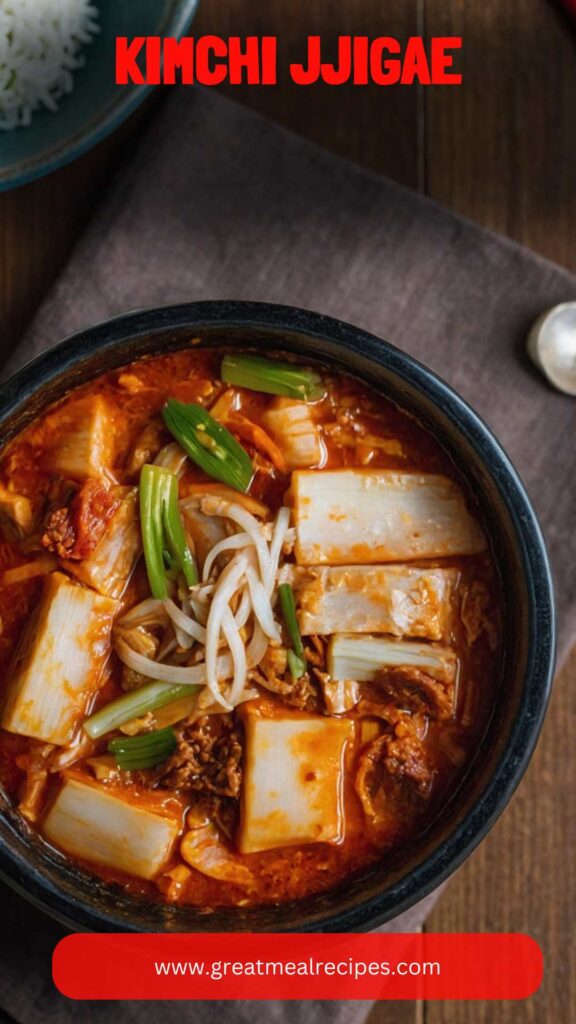
Kimchi jjigae, in its essence, is a comforting stew that embodies the spirit of Korean cuisine. It’s a staple in many homes, loved for its savory warmth and hearty ingredients. Over the years, I’ve experimented with recipes and made plenty of pots myself. Each one is unique, reflecting my journey with this delightful dish.
You Might Also Like These Recipes!
What is Kimchi Jjigae?
At its core, kimchi jjigae is a stew made primarily with kimchi, often complemented by tofu and various meats or vegetables. Its deep, flavorful broth is a testament to the fermentation of the kimchi. This dish is more than just a meal; it’s a cultural experience that tells a story of history and family. Whether enjoyed on a cold winter night or a sunny summer afternoon, it fits every occasion.
The Ingredients
Creating a delicious kimchi jjigae starts with a mix of vibrant ingredients. Here’s what you typically need:
For the Base:
- Kimchi: Well-fermented (aged 2–3 weeks)
- Tofu: Firm, sliced
- Pork belly: Skinless and chopped
Vegetables & Flavor Enhancers:
- Shiitake mushrooms: For earthy undertones
- Green onion: Adds a fresh finish
- Yellow onion: Sweetness to balance the dish
- Sesame oil: For depth
Seasonings:
- Korean red pepper flakes (gochugaru): The heart of the stew
- Garlic: A necessity for flavor
- Soy sauce and gochujang: For umami and heat
These ingredients come together to create a symphony of taste that’s rich and satisfying.
How to Make Kimchi Jjigae?
Creating kimchi jjigae is an accessible process. With just a few steps, you can whip up a bowl that envelops you in warmth. Let’s dive into the details.
Step 1: Prepare the Ingredients
Start by gathering all your ingredients. Slice the shiitake mushrooms, chop the pork belly, and prepare the kimchi. Having everything on hand makes the cooking flow so much smoother.
Step 2: Sauté the Pork
In a large pot over medium heat, add a splash of sesame oil. Once the oil shimmers, toss in the pork belly. Sauté it until it’s golden brown. This step draws out the flavor and crispy texture, which is essential for a hearty stew.
Step 3: Add Onions and Mushrooms
Once the pork is nicely browned, add the yellow onion and shiitake mushrooms. Stir them in, letting the sweet aroma fill your kitchen. Cook until the onions are translucent, about 3-4 minutes. This also adds another layer of flavor.
Step 4: Incorporate the Kimchi
Now for the star! Add the chopped kimchi into the pot. Stir it all together, allowing the kimchi juices to mingle with the pork and onions. This step creates a wonderfully fragrant base for your stew.
Step 5: Create the Broth
Pour in filtered water, enough to cover all the ingredients. Next, mix together the jjigae base in a small bowl: gochugaru, minced garlic, soy sauce, gochujang, and anchovy sauce. Stir this mixture into the pot to infuse it with flavor. Bring it to a gentle boil.
Step 6: Simmer and Add Tofu
Reduce the heat and let the stew simmer for about 15-20 minutes. Afterward, gently add the tofu slices. Allow them to absorb the rich flavors of the broth. Simmer for an additional 10 minutes.
Step 7: Final Touches
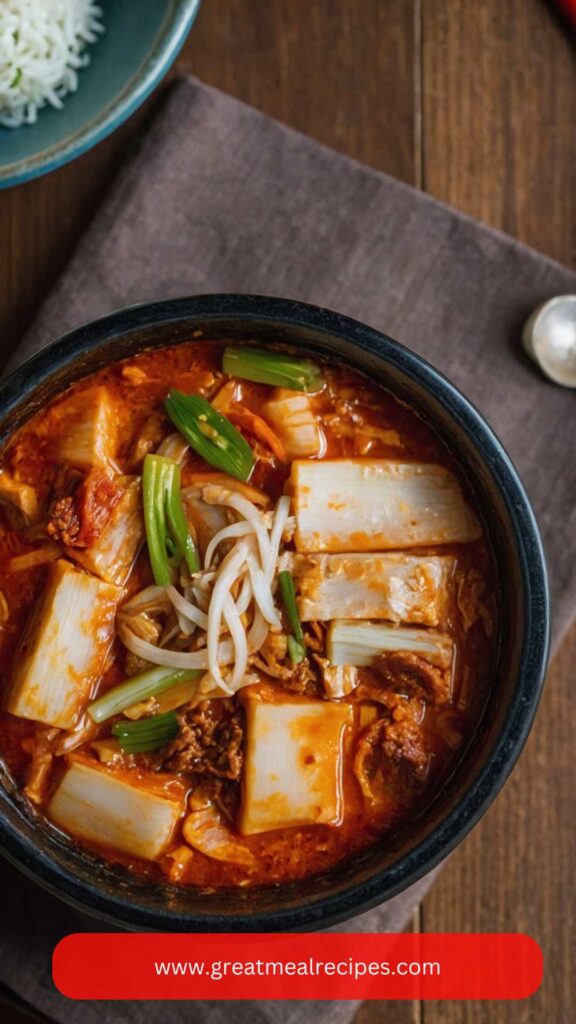
Before serving, sprinkle with finely sliced green onion. This adds a fresh crunch that complements the stew beautifully. Taste the broth and make any final adjustments with soy sauce or gochugaru, if needed.
Notes
Creating a standout kimchi jjigae is all about personal touches. Here are some tips:
- Choose Well-Fermented Kimchi: Aged kimchi enhances the dish. Look for kimchi that has a distinct tang.
- Adjust Spice Level: Start with less gochugaru, then gradually add more if you prefer it spicier.
- Time Matters: Letting the stew simmer allows flavors to develop fully.
- Customize Proteins: Feel free to swap out pork for beef or omit meat altogether for a vegetarian version.
- Don’t Rush the Cooking: Take your time with each step. Rushing can lead to uneven cooking.
Storage Tips
Once you’ve made your kimchi jjigae, you might wonder how to store leftovers. Here’s how:
- Refrigerate in Airtight Container: It can last up to a week. The flavors actually deepen over time.
- Freeze for Later: If you want to keep it longer, store in an airtight freezer-safe container. It can last up to 3 months.
- Thawing and Reheating: When ready to eat, thaw overnight in the fridge. Reheat gently on the stove, adding a splash of water if the broth is too thick.
Nutrition Information
Kimchi jjigae isn’t just delicious; it’s packed with nutrients. Here’s a quick snapshot per serving:
- Calories: Approximately 300
- Protein: 18g (tofu and pork)
- Carbohydrates: 20g
- Fat: 15g (healthy fats from sesame oil and pork)
Serving Suggestions
To elevate your dining experience, consider these suggestions:
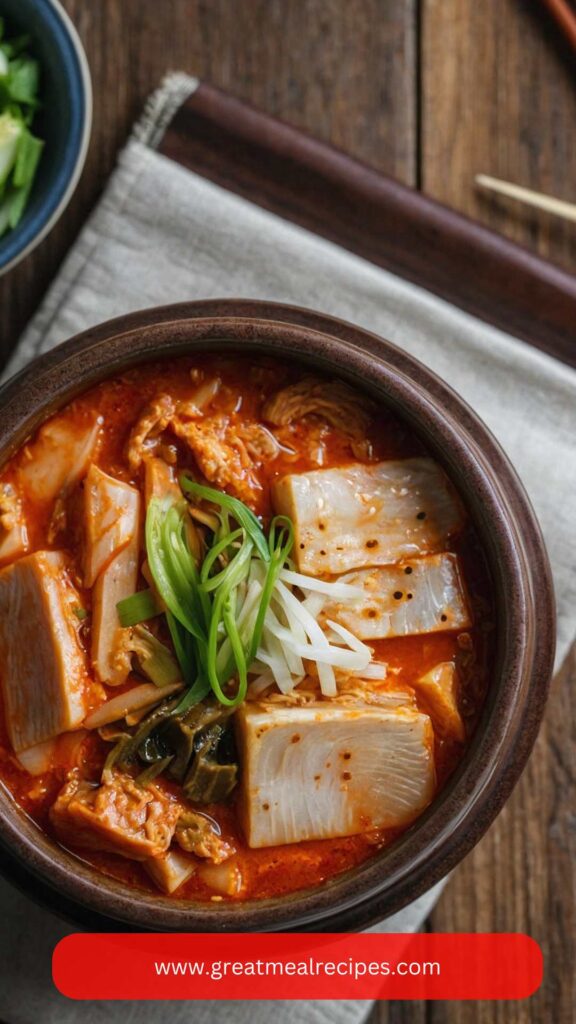
- Steamed Rice: A must! The fluffiness soaks up the spicy broth beautifully.
- Cucumber Side Salad: A crunch! The cool flavors counterbalance the heat of the stew.
- Roasted Seaweed: A crispy delight! Provides a satisfying crunch and umami flavor.
- Kimchi Pancakes: Double kimchi! Pairing this dish with savory pancakes makes for a special treat.
- Pickled Radishes: A zing! The tartness complements the stew’s richness, brightening every bite.
What Other Substitutes Can I Use in Kimchi Jjigae?
If you’re missing an ingredient, don’t fret! Here are possible substitutes:
- Beef Instead of Pork: You can use thinly sliced beef, giving a different but equally delicious flavor to the stew.
- Green Beans for Tofu: If you want a vegetarian option, substitute tofu with fresh steamed green beans for added texture.
- Vegetable Broth: Use vegetable broth instead of water for an enhanced depth of flavor, particularly for a vegetarian version.
- Chili Pepper Paste: In the absence of gochujang, a regular chili pepper paste can work. Just adjust the quantity for heat.
- Zucchini Instead of Mushrooms: If you’re not a fan of mushrooms, sliced zucchini can add a lovely texture and absorb the flavors well.
Conclusion
Kimchi jjigae represents a rich tapestry of flavors and traditions. Each bowl is not just a meal but a story, waiting to be savored. As you embark on your journey to make this heartwarming stew, know that every step builds on the last, just as every ingredient plays a crucial role in the final dish.
Whether you’re enjoying it with rice or a side salad, the comforting warmth and complex flavors are sure to delight. So gather your ingredients, summon your favorite people, and enjoy a heartwarming meal that truly embodies comfort.
You Might Also Like These Latest Recipes!
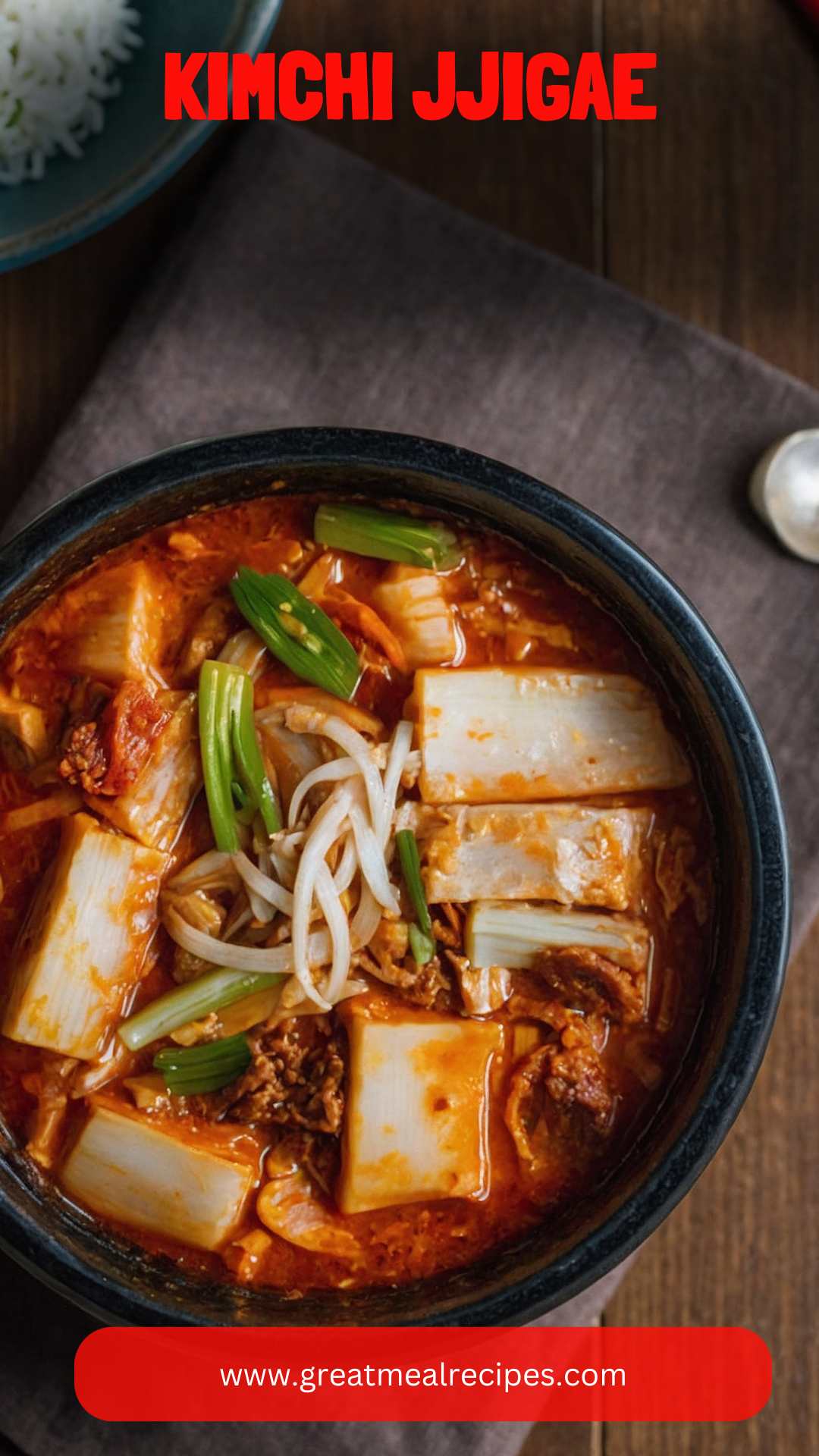
Kimchi Jjigae – Great Meal Recipes
Ingredients
Method
- Creating kimchi jjigae is an accessible process. With just a few steps, you can whip up a bowl that envelops you in warmth. Let’s dive into the details.
- Start by gathering all your ingredients. Slice the shiitake mushrooms, chop the pork belly, and prepare the kimchi. Having everything on hand makes the cooking flow so much smoother.
- In a large pot over medium heat, add a splash of sesame oil. Once the oil shimmers, toss in the pork belly. Sauté it until it’s golden brown. This step draws out the flavor and crispy texture, which is essential for a hearty stew.
- Once the pork is nicely browned, add the yellow onion and shiitake mushrooms. Stir them in, letting the sweet aroma fill your kitchen. Cook until the onions are translucent, about 3-4 minutes. This also adds another layer of flavor.
- Now for the star! Add the chopped kimchi into the pot. Stir it all together, allowing the kimchi juices to mingle with the pork and onions. This step creates a wonderfully fragrant base for your stew.
- Pour in filtered water, enough to cover all the ingredients. Next, mix together the jjigae base in a small bowl: gochugaru, minced garlic, soy sauce, gochujang, and anchovy sauce. Stir this mixture into the pot to infuse it with flavor. Bring it to a gentle boil.
- Reduce the heat and let the stew simmer for about 15-20 minutes. Afterward, gently add the tofu slices. Allow them to absorb the rich flavors of the broth. Simmer for an additional 10 minutes.
- Before serving, sprinkle with finely sliced green onion. This adds a fresh crunch that complements the stew beautifully. Taste the broth and make any final adjustments with soy sauce or gochugaru, if needed.
Notes
- Choose Well-Fermented Kimchi: Aged kimchi enhances the dish. Look for kimchi that has a distinct tang.
- Adjust Spice Level: Start with less gochugaru, then gradually add more if you prefer it spicier.
- Time Matters: Letting the stew simmer allows flavors to develop fully.
- Customize Proteins: Feel free to swap out pork for beef or omit meat altogether for a vegetarian version.
- Don’t Rush the Cooking: Take your time with each step. Rushing can lead to uneven cooking.