

Ingredients
Method
Step 1: Create Your Aromatic Foundation with Bloomed Garlic
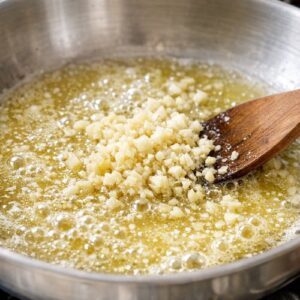
- Heat your 3 tablespoons of unsalted butter in a large sauté pan or Dutch oven over medium heat—not medium-high. This is crucial. High heat will brown the butter too quickly and make your garlic bitter. Once the butter is melted and foaming (about 30 seconds), add your minced garlic immediately. Do not skip the mincing step—pre-minced garlic from a jar has different moisture content and won't bloom the same way. Stir constantly for about 2 minutes until the garlic becomes incredibly fragrant and just barely starts to turn golden at the edges. SAFETY WARNING: Garlic burns quickly and becomes acrid. If you smell a slightly burnt aroma (different from fragrant), immediately remove from heat and start over with fresh butter and garlic. Burnt garlic cannot be fixed.
Step 2: Add Your Spice Blend
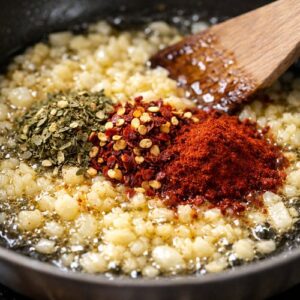
- While the garlic is still blooming, add all your dried seasonings at once: the ½ teaspoon oregano, ½ teaspoon red pepper flakes, ½ teaspoon smoked paprika, ¼ teaspoon black pepper, and ½ teaspoon salt. Stir constantly for about 30 seconds. You'll notice the pan will smell warm and smoky—that's exactly right. Why add dried herbs to hot fat instead of later? This technique, called "tempering," releases the essential oils from dried herbs and distributes them evenly throughout your fat. This creates a more cohesive flavor compared to adding them to liquid, where they stay somewhat separate.
Step 3: Introduce the Sun-Dried Tomatoes and Broth
- Add your ⅔ cup roughly chopped sun-dried tomatoes directly to the pan. If they're packed in oil, you can include about a tablespoon of that oil for extra flavor. Stir everything together for about 1 minute so the tomatoes are coated in the aromatic mixture. Now pour in your ¾ cup vegetable broth. I use low-sodium broth because we're already adding salt, and restaurant-style cooking means controlling your sodium levels. Bring the mixture to a gentle simmer and let it cook uncovered for exactly 5 minutes. The broth will reduce slightly and concentrate the flavors.
Step 4: Add the Beans and Simmer
- Drain and rinse your two cans of butter beans thoroughly under cold running water. This removes excess sodium from the canning liquid and prevents the sauce from becoming overly salty. Add the beans to your simmering broth mixture and stir gently to combine. Continue simmering on medium heat for 3-4 minutes, uncovered. You're not trying to cook the beans—they're already cooked—you're allowing them to absorb the flavors of the broth and spice blend. Watch for the liquid to reduce by about half.

Step 5: Wilt the Spinach
- Add your 1½ cups of chopped fresh spinach directly to the hot mixture. Within about 30 seconds, the spinach will completely wilt and darken. Stir it in so it's evenly distributed. The spinach adds nutritional density, visual appeal, and a subtle earthiness that balances the richness of the cream.
Step 6: Create the Creamy Emulsion (The Most Critical Step)
- Remove the pan from heat before adding your cream. This is the professional secret most home cooks miss. Heat breaks down the proteins in cream and can cause it to curdle or separate, creating a grainy texture instead of a silky sauce. Pour your 1 cup of heavy cream into the warm (but not hot) mixture slowly while stirring constantly. Keep stirring for about 1 minute as the cream combines with the broth. Do not return the pan to heat yet. The residual heat from the beans and broth will warm the cream gently. SAFETY WARNING: Adding cold cream to boiling liquid can cause splattering. Always remove from heat first, and always add cream slowly while stirring. If splattering does occur, allow the pan to cool for 30 seconds before continuing.
Step 7: Add the Cheese and Finishing Touches
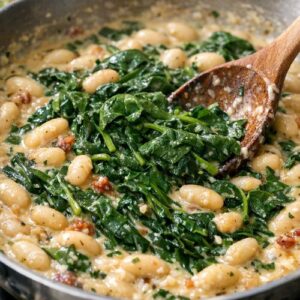
- Once the cream is fully incorporated and you have a silky sauce, add your ½ cup of freshly grated Parmigiano-Reggiano. Stir constantly until the cheese melts completely and you have a glossy, luxurious sauce. If the cheese seems to clump, reduce heat to very low and stir gently until smooth. Finish with your 2 tablespoons of fresh lemon juice and 3 tablespoons of chopped fresh basil. The lemon juice might seem small, but it's crucial—it brightens all the rich flavors and prevents the dish from tasting heavy, even though it contains cream and butter. Taste the mixture and adjust salt if needed. Remember that the cheese added saltiness, so you may not need additional salt. If you taste it and it feels flat, it's more likely that you need a tiny pinch more smoked paprika or a squeeze more lemon juice rather than additional salt.