
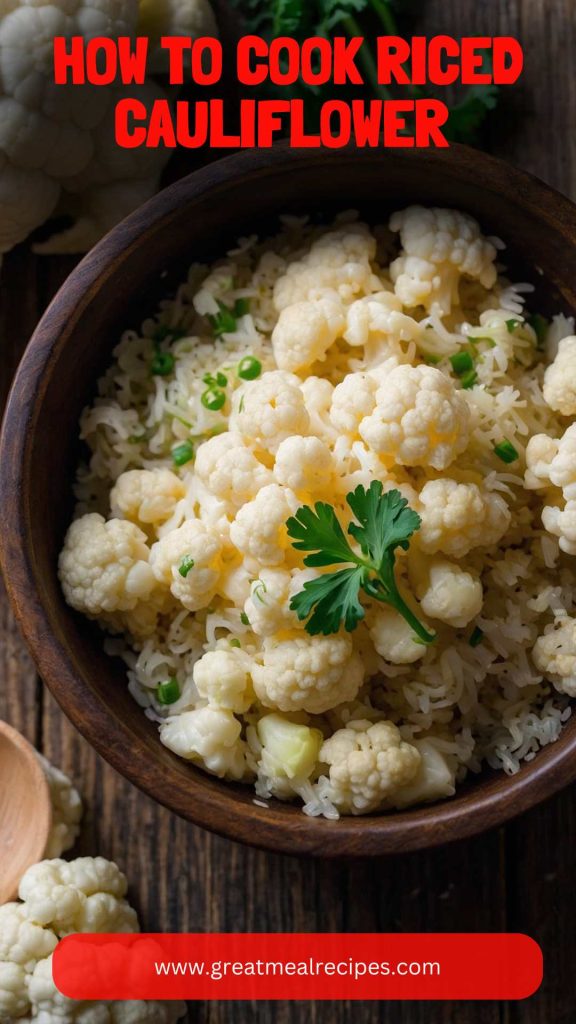
When it comes to a foundation for meals, riced cauliflower is a hidden gem. This versatile ingredient serves as a fantastic base for a variety of dishes. You can pair it with stir-fried vegetables, grilled chicken, or even shrimp. Each option adds a unique flavor, making dining exciting. Riced cauliflower also shines next to spicy curries, rich stews, or fresh salads. Let’s dive into the delicious world of cooking riced cauliflower together.
As a registered dietitian and a self-declared food enthusiast, I appreciate the journey of flavor and nutrition in a great dish. Riced cauliflower has captured my attention for its impressive versatility and health benefits. Let me take you through the fascinating process of bringing riced cauliflower to life in your kitchen.
Riced cauliflower is not just a trendy side dish; it’s a nutritious alternative to grains. Low in calories and carbs, this vegetable is a perfect fit for anyone looking to eat well. Growing up, I always enjoyed the comforting dishes my Italian grandmother made. However, with a shift towards healthier eating, I found myself re-imagining these classic recipes. Riced cauliflower offers me a way to keep those flavors alive while being mindful of nutrition.
So, what is riced cauliflower? Simply put, it’s cauliflower that has been minced or grated into small rice-sized pieces. By using this method, we change the way we consume vegetables. In my food adventures, I’ve discovered unique tips and tricks to create flavorful riced cauliflower that will impress your family and friends.
You Might Also Like These Recipes!
What is Riced Cauliflower?
Riced cauliflower is created by processing cauliflower florets into small, grain-like pieces. You can make it at home using a food processor, or you can buy it pre-packaged in stores. It’s remarkably easy to prepare and cooks quickly, making it a brilliant addition to your weekly meal plan.
Now, if you are thinking, “What exactly makes this dish different from other versions?” let’s break it down further. Riced cauliflower is not just a simple vegetable; it transforms into a blank canvas. The subtle taste absorbs the flavors of seasonings and sauces, enhancing the overall dish.
How Does It Taste?
Imagine a light, fluffy texture similar to traditional rice, yet the flavor is more delicate. When cooked, riced cauliflower has a mild nutty flavor that enhances rather than overwhelms other ingredients. It’s a divine experience that allows other tastes to shine.
Part of its appeal is the crunch. When you bite into it, you’ll notice a slight crispness that adds character to any meal. I often catch myself snacking on it raw, tossed in some olive oil and salt. Trust me; it’s just as delicious uncooked!
Ingredients You’ll Need to Make This Dish
Creating riced cauliflower is uncomplicated. You don’t need a long grocery list to start. Here’s what you’ll need:
1 large head of cauliflower, cut into florets
1 tablespoon of olive oil, for sautéing
¼ teaspoon of sea salt, to enhance the flavor
½ teaspoon of smoked paprika (optional), for a whisper of warmth
These ingredients form the cornerstone of a fantastic dish. Feel free to get creative by adding spices and veggies according to your taste.
Step-by-Step Instructions
Step 1: Prep Your Cauliflower
Start by washing the cauliflower thoroughly under cool running water. Remove the green leaves and cut the cauliflower into small florets. The smaller the pieces, the easier they will be to rice.
Step 2: Rice the Cauliflower
You have a couple of options here. If you own a food processor, toss the florets in and pulse until you reach the desired rice-like consistency. It shouldn’t take longer than 10-15 seconds. Alternatively, if you lack a food processor, you can use a box grater. This option might take a tad longer, but it works just as well.
Step 3: Sauté the Riced Cauliflower
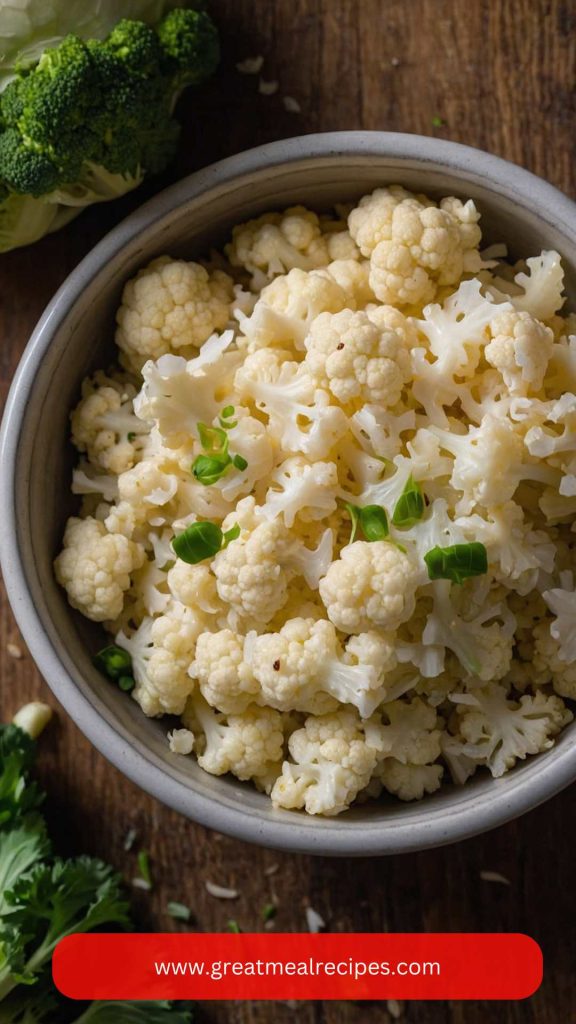
Heat a skillet over medium heat and add the olive oil. Once the oil shimmers, toss in the riced cauliflower. Sprinkle with sea salt. Stir to coat each piece with oil. Sauté for about 5-7 minutes. You want it tender but still with a little crunch.
Step 4: Enhance the Flavor
At this point, feel free to add optional seasonings like smoked paprika, garlic powder, or even herbs if you desire. Cook for an additional 2-3 minutes, stirring frequently to blend all flavors.
Step 5: Serve and Enjoy!
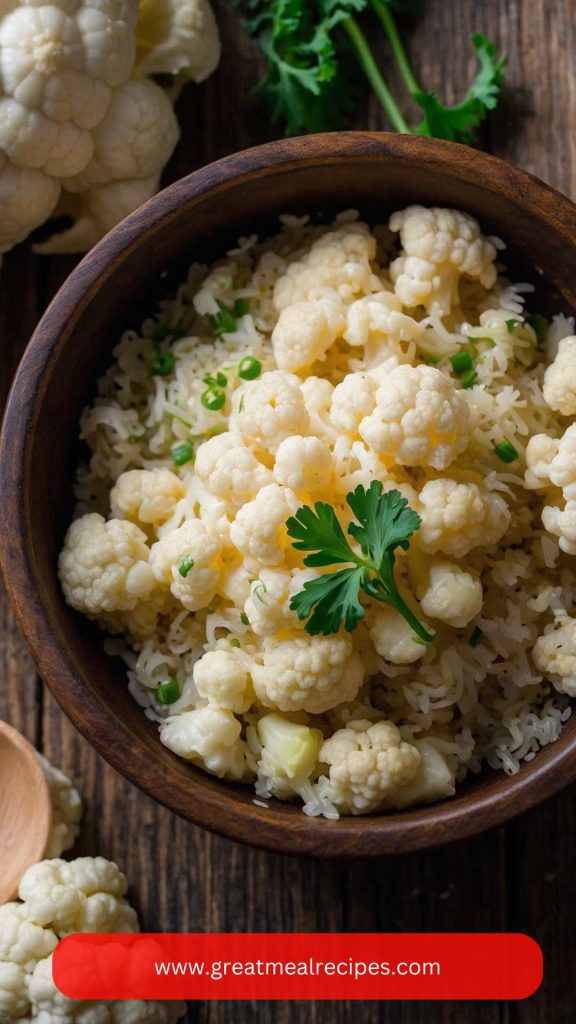
Once the riced cauliflower is cooked to your liking, remove it from the heat. You can serve it immediately as a side or base for your main dish. Drizzle a little more olive oil on top if you like and garnish with fresh herbs.
Tips & Tricks on Making Riced Cauliflower
Here are five helpful tips to elevate your riced cauliflower game:
Don’t Overcrowd the Pan: When sautéing, keep the portion small to ensure even cooking. Overcrowding leads to steaming instead of sautéing, which isn’t what we want.
Recipe Experimentation: Try adding some onion or garlic during the initial sauté for added depth. Consider tossing in peas, carrots, or bell peppers for a pop of color and nutrition.
Make It Ahead: Riced cauliflower stores well. Prepare a batch and store it in an airtight container in the fridge for up to five days. Simple, isn’t it?
Season Well: Seasoning enhances the natural flavor of the cauliflower. Don’t shy away from spices like cumin, chili powder, or fresh herbs.
Try It With Sauces: Riced cauliflower pairs nicely with different sauces. BBQ sauce, marinara, or curry works wonders! Experiment and find what suits your taste.
Nutrition Information
Riced cauliflower is packed with vitamins, particularly C and K. One cup of riced cauliflower typically contains about:
25 calories
5 grams of carbs
2 grams of fiber
2 grams of protein
With no fat and low carbohydrates, it makes for an excellent side dish or base for hearty mains. Plus, you can enjoy it guilt-free.
How Do I Store This Dish?
Leftover riced cauliflower can be stored in the refrigerator for up to five days. Place it in an airtight container after it has cooled completely. If you want to keep it longer, consider freezing it. Just make sure to use a freezer-safe bag or container to keep it fresh. It can be stored frozen for up to three months.
What Other Substitutes Can You Use in Riced Cauliflower?
If you want to switch things up a bit, here are five fantastic substitutes that can still give you that rice-like texture:
Broccoli Rice: By using a similar method, you can rice broccoli for a different nutrient boost.
Zucchini Rice: Grated zucchini can be a delicious substitute, though you might need to squeeze out excess moisture to keep the dish from becoming too soggy.
Shirataki Rice: This low-carb alternative made from konjac root has a different flavor profile but serves as a solid option for weight management.
Quinoa: For those looking for a grain option, quinoa offers protein and fiber, making it a wholesome substitute.
Bulgur Wheat: If gluten isn’t a concern, bulgur is a terrific alternative. It cooks faster than rice and packs a nutrient punch, too.
Conclusion
Cooking riced cauliflower is not just a method; it’s an opportunity to create something nutritious and delicious. This ingredient opens the door to endless possibilities, from side dishes to main courses. It invites creativity into our kitchens and encourages us to eat healthier without sacrificing flavor.
By combining the right techniques and imaginative seasoning, riced cauliflower can be a star in any meal. With this guide in hand, I hope you feel inspired to give it a try. As you savor each bite, remember that cooking is not just about food; it’s about sharing experiences and celebrating health. So, fire up that skillet, and let’s create some culinary magic!
You Might Also Like These Latest Recipes!

How to Cook Riced Cauliflower – Great Meal Recipes
Description
As a registered dietitian and a self-declared food enthusiast, I appreciate the journey of flavor and nutrition in a great dish. Riced cauliflower has captured my attention for its impressive versatility and health benefits. Let me take you through the fascinating process of bringing riced cauliflower to life in your kitchen.
Riced cauliflower is not just a trendy side dish; it's a nutritious alternative to grains. Low in calories and carbs, this vegetable is a perfect fit for anyone looking to eat well. Growing up, I always enjoyed the comforting dishes my Italian grandmother made. However, with a shift towards healthier eating, I found myself re-imagining these classic recipes. Riced cauliflower offers me a way to keep those flavors alive while being mindful of nutrition.
So, what is riced cauliflower? Simply put, it’s cauliflower that has been minced or grated into small rice-sized pieces. By using this method, we change the way we consume vegetables. In my food adventures, I’ve discovered unique tips and tricks to create flavorful riced cauliflower that will impress your family and friends.
Ingredients
Instructions
Step 1: Prep Your Cauliflower
-
Start by washing the cauliflower thoroughly under cool running water. Remove the green leaves and cut the cauliflower into small florets. The smaller the pieces, the easier they will be to rice.
Step 2: Rice the Cauliflower
-
You have a couple of options here. If you own a food processor, toss the florets in and pulse until you reach the desired rice-like consistency. It shouldn't take longer than 10-15 seconds. Alternatively, if you lack a food processor, you can use a box grater. This option might take a tad longer, but it works just as well.
Step 3: Sauté the Riced Cauliflower
-
Heat a skillet over medium heat and add the olive oil. Once the oil shimmers, toss in the riced cauliflower. Sprinkle with sea salt. Stir to coat each piece with oil. Sauté for about 5-7 minutes. You want it tender but still with a little crunch.
Step 4: Enhance the Flavor
-
At this point, feel free to add optional seasonings like smoked paprika, garlic powder, or even herbs if you desire. Cook for an additional 2-3 minutes, stirring frequently to blend all flavors.
Step 5: Serve and Enjoy!
-
Once the riced cauliflower is cooked to your liking, remove it from the heat. You can serve it immediately as a side or base for your main dish. Drizzle a little more olive oil on top if you like and garnish with fresh herbs.
Nutrition Facts
Servings 8
- Amount Per Serving
- % Daily Value *
- Total Carbohydrate 5g2%
- Dietary Fiber 2g8%
- Protein 2g4%
* Percent Daily Values are based on a 2,000 calorie diet. Your daily value may be higher or lower depending on your calorie needs.
Note
Here are five helpful tips to elevate your riced cauliflower game:
Don’t Overcrowd the Pan: When sautéing, keep the portion small to ensure even cooking. Overcrowding leads to steaming instead of sautéing, which isn’t what we want.
Recipe Experimentation: Try adding some onion or garlic during the initial sauté for added depth. Consider tossing in peas, carrots, or bell peppers for a pop of color and nutrition.
Make It Ahead: Riced cauliflower stores well. Prepare a batch and store it in an airtight container in the fridge for up to five days. Simple, isn’t it?
Season Well: Seasoning enhances the natural flavor of the cauliflower. Don’t shy away from spices like cumin, chili powder, or fresh herbs.
Try It With Sauces: Riced cauliflower pairs nicely with different sauces. BBQ sauce, marinara, or curry works wonders! Experiment and find what suits your taste.