
 Barbara Brito
Before diving into the intricacies of cooking hard boiled eggs in the microwave, let’s talk about what pairs well with this dish. Hard boiled eggs are incredibly versatile. Fresh Green Salads, Toast, or Pasta Dishes.
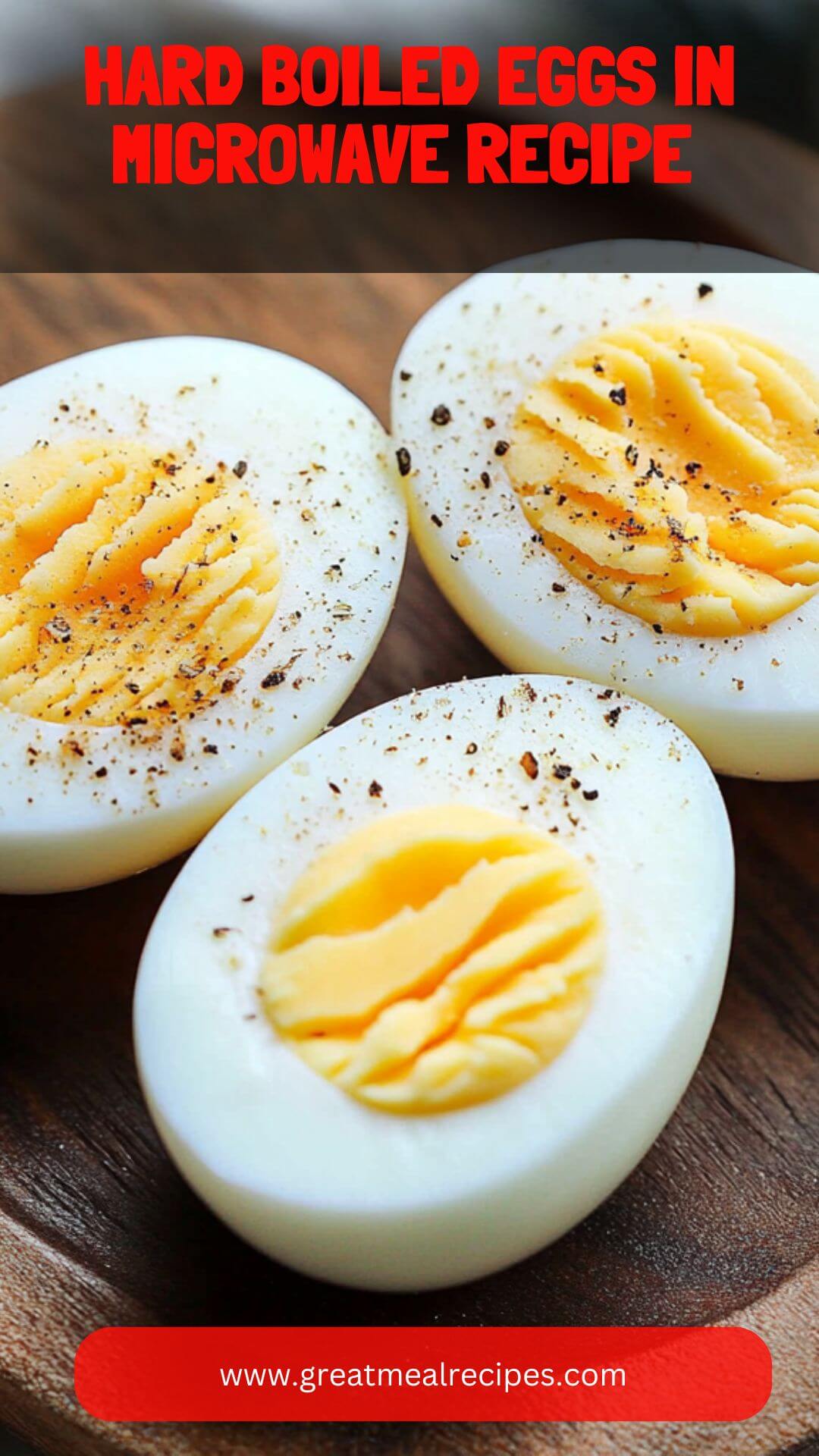
What Are Hard Boiled Eggs in the Microwave?
In simple terms, hard boiled eggs made in the microwave are eggs that you cook in their shells using microwave power instead of water. The process involves a few steps, some precise timing, and a dash of patience.
The results yield perfectly cooked eggs that are easy to peel and ready to enjoy in any meal. It’s like a tiny culinary magic trick that saves time.
Why This Recipe Works?
Let’s explore why this microwave method for hard boiled eggs stands out:
1. Time-Efficient: Cooking eggs in the microwave takes significantly less time than the traditional stovetop method. Depending on the wattage of your microwave, you can have perfectly cooked eggs in about 10-12 minutes. Who doesn’t love saving time in the kitchen?
2. Minimal Ingredient Requirement: You don’t need fancy tools or equipment. With just eggs and a microwave-safe container, you are all set. Unlike boiling, you won’t need to watch a pot or wait for water to boil.
3. Consistent Results: One of the biggest challenges with traditional boiling is achieving uniformity in egg doneness. This method allows for a little more control. Just make sure to follow the timing closely and adjust based on your microwave.
4. Easy Peeling: Ever had trouble peeling hard boiled eggs? It’s frustrating, right? With this microwave method, the eggs typically peel more easily due to the steam build-up that happens during cooking.
Ingredients You’ll Need to Make This Dish
To whip up these microwave hard boiled eggs, you’ll only need a few essential ingredients:
- 4 large eggs, at room temperature
- 1/2 teaspoon Dijon mustard (optional, for extra richness)
- 1 teaspoon sea salt (or to taste)
- 1/4 teaspoon freshly cracked black pepper (optional, for added flavor)
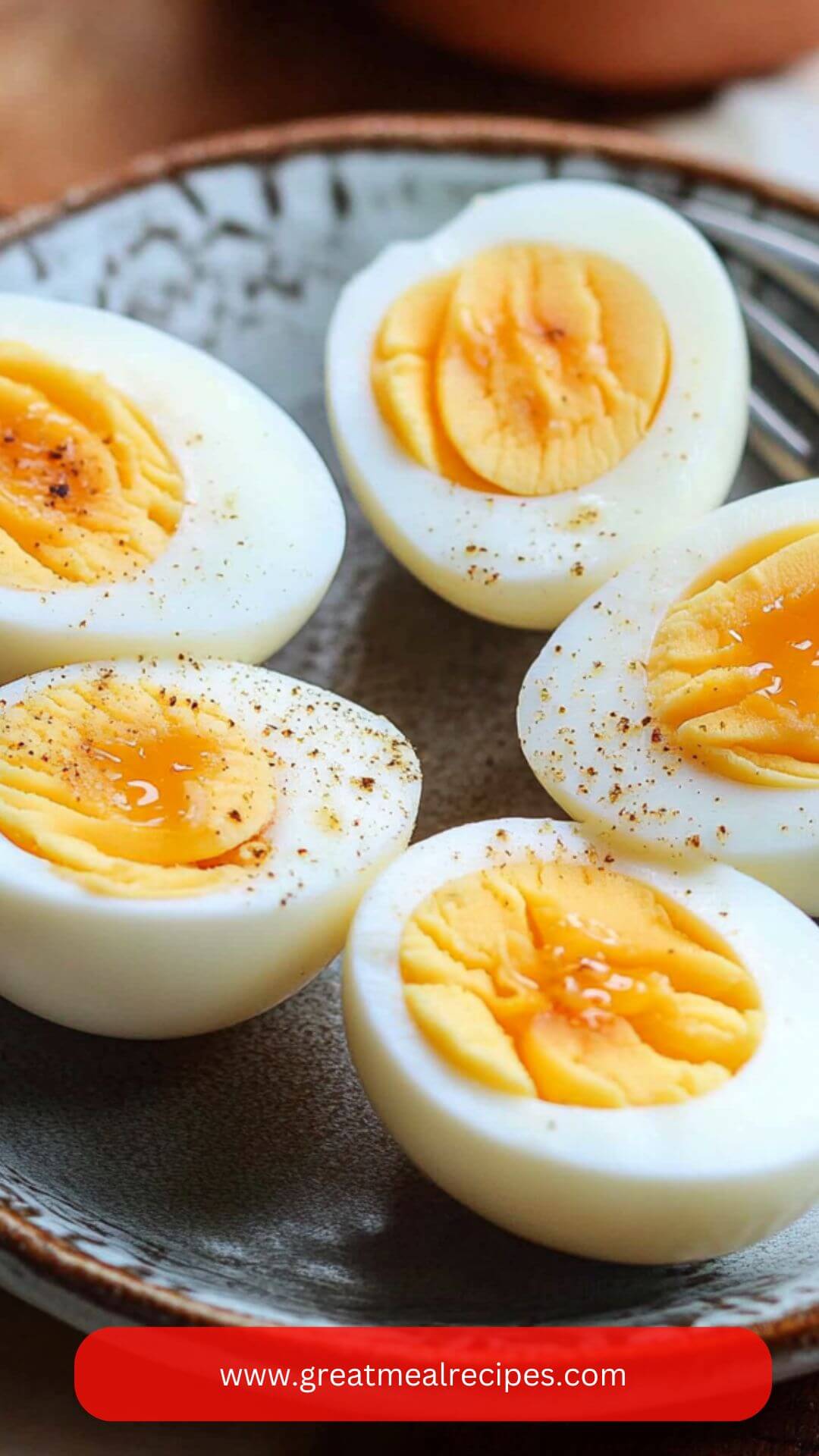
How to Make Hard Boiled Eggs in the Microwave?
Cooking hard boiled eggs in the microwave has never been easier. Follow these steps to achieve the perfect texture and flavor.
Step 1: Prepare Eggs
Start by taking your eggs out of the refrigerator. It’s best if they are at room temperature to reduce the chance of cracking during cooking.
Step 2: Choose Your Container
Grab a microwave-safe bowl or container. This is where your eggs will cook. You want something that can withstand microwave heat without warping.
Step 3: Add Water
Place the eggs in the container and cover them with water. Make sure the water is an inch above the eggs, as this helps generate steam for cooking.
Step 4: Cover the Container
Cover your bowl with a microwave-safe lid. If you don’t have one, you can use a plate. This is important because the steam that builds up inside will cook the eggs.
Step 5: Microwave
Put the container in the microwave and cook on high for approximately 10-12 minutes. Keep an eye on your microwave to avoid any mishaps.
Step 6: Ice Bath
Once done, carefully remove the container. Use oven mitts; it will be hot! Place the eggs in a bowl filled with ice water. This stops the cooking process instantly and makes peeling easier.
Step 7: Peel and Enjoy
After a few minutes in the ice bath, peel the eggs and season as desired. Slice them for salads or enjoy them plain.
Tips & Tricks
- Use Older Eggs: If possible, use eggs that are a week or two old. They tend to peel more easily than very fresh eggs.
- Microwave Wattage: Microwaves vary in power. If your eggs aren’t fully done after 10-12 minutes, try cooking in 1-minute intervals until done.
- Don’t Skip the Ice Bath: Skipping the ice bath can lead to overcooked eggs. This step is crucial for preventing a rubbery texture.
- Add Salt to Water: Putting a pinch of salt in the water can help with the peeling process; it penetrates the shell slightly.
- Experiment with Timing: The perfect time can differ between microwaves. Make a note of what works for your machine.
Nutrition Information
One large hard boiled egg contains approximately:
- Calories: 70
- Protein: 6 grams
- Fat: 5 grams
- Carbohydrates: Less than 1 gram
- Cholesterol: 186 mg
The nutritional content may slightly change based on how the eggs are seasoned.
How Do You Store the Leftovers?
Proper storage of hard boiled eggs is essential for maintaining freshness. Here’s what I do:
- In the Shell: Keep the eggs in their shells and store them in the refrigerator. They can last about a week.
- Peeled: If you’ve already peeled them, store the eggs in an airtight container. Cover them with a damp paper towel to keep them from drying out, and consume within 3-5 days for the best quality.
What Sides Would Complement Hard Boiled Eggs?
Adding sides to hard boiled eggs can make a meal irresistible. Here are my favorites:
1. Avocado Toast: There’s no denying that creamy avocado and protein-packed eggs make a delightful combination. Spread mashed avocado on whole grain toast, top with sliced hard boiled eggs, and sprinkle with salt and pepper.
2. Roasted Vegetables: A colorful array of roasted vegetables can be the perfect bed for sliced hard boiled eggs. Veggies like asparagus, bell peppers, and zucchini provide a delightful crunch.
3. Classic Potato Salad: Elevate traditional potato salad by mixing in chunks of hard boiled eggs. The creaminess of the dressing pairs perfectly with the eggs’ texture and flavor.
What Alternatives Can You Use for Ingredients if They Are Not Present in Your Kitchen?
If you don’t have all the ingredients on hand, don’t sweat it. Here are some alternates:
1. Dijon Mustard: If you’re out of Dijon mustard, you can use yellow mustard or skip it altogether. The eggs will still shine without it.
2. Sea Salt: Regular table salt works just as well in seasoning your eggs if sea salt is unavailable.
3. Black Pepper: If you prefer a bit of heat, consider using cayenne pepper in place of black pepper for a spicy twist.
4. Cooking Water: If you don’t have fresh water, you can use broth instead for a more flavorful approach. Just make sure it’s low in sodium.

Conclusion
Making hard boiled eggs in the microwave is a straightforward method that saves time and effort. By taking just a few simple steps, you can have perfectly cooked eggs that add nutrition to your meals.
Pair them with salads, toast, or pasta for a delicious treat. The versatility of hard boiled eggs makes them a staple in any kitchen.
Embrace this simple technique and let it be a go-to in your cooking repertoire. Trust me, once you try it, you’ll wonder why you didn’t attempt microwave hard boiled eggs sooner. So go ahead—crack those eggs open and start experimenting! Happy cooking!
You’ll also like the following recipes!
- Healthy Kung Pao Chicken Copycat Recipe
- How to Make Crispy Roasted Sweet Potato
- How To Cook Frozen Corn On The Cob In The Microwave
Hard Boiled Eggs in Microwave Recipe – Great Meal Recipes
Ingredients
Method
- Start by taking your eggs out of the refrigerator. It’s best if they are at room temperature to reduce the chance of cracking during cooking.
- Grab a microwave-safe bowl or container. This is where your eggs will cook. You want something that can withstand microwave heat without warping.
- Place the eggs in the container and cover them with water. Make sure the water is an inch above the eggs, as this helps generate steam for cooking.
- Cover your bowl with a microwave-safe lid. If you don’t have one, you can use a plate. This is important because the steam that builds up inside will cook the eggs.
- Put the container in the microwave and cook on high for approximately 10-12 minutes. Keep an eye on your microwave to avoid any mishaps.
- Once done, carefully remove the container. Use oven mitts; it will be hot! Place the eggs in a bowl filled with ice water. This stops the cooking process instantly and makes peeling easier.
- After a few minutes in the ice bath, peel the eggs and season as desired. Slice them for salads or enjoy them plain.
Notes
- Use Older Eggs: If possible, use eggs that are a week or two old. They tend to peel more easily than very fresh eggs.
- Microwave Wattage: Microwaves vary in power. If your eggs aren’t fully done after 10-12 minutes, try cooking in 1-minute intervals until done.
- Don’t Skip the Ice Bath: Skipping the ice bath can lead to overcooked eggs. This step is crucial for preventing a rubbery texture.
- Add Salt to Water: Putting a pinch of salt in the water can help with the peeling process; it penetrates the shell slightly.
- Experiment with Timing: The perfect time can differ between microwaves. Make a note of what works for your machine.