Ingredients
Method
Step 1: Prepare the Ingredients
- Start by gathering all your ingredients. Dice the chicken into bite-sized cubes, mince garlic, and grate ginger. Have the vegetables sliced and ready to go. This prep work is like setting the stage for a great performance.
Step 2: Coating the Chicken
- In a bowl, mix the arrowroot powder or cornstarch with a pinch of salt. Toss the chicken pieces in the mixture until they're evenly coated. This step is crucial; it creates a nice texture for both frying and absorbing flavors.
Step 3: Making the Sauce
- Combine the low-sodium soy sauce, dry sherry (or red wine), honey (or maple syrup), balsamic vinegar, hoisin sauce, and rice vinegar in a small bowl. Feel free to adjust the sweetness and spice levels to your preference. Set the mixture aside.
Step 4: Cooking the Chicken
- Heat the peanut or avocado oil in a large skillet over medium-high heat. Once the oil is shimmering, add the chicken. Cook undisturbed for about 3-4 minutes, allowing a golden crust to form. Flip the chicken and cook for another 2-3 minutes until cooked through. Remove from the skillet and set aside.
Step 5: Stir-Frying the Vegetables
- In the same skillet, add a little more oil if needed. Add the sliced red bell peppers and Fresno peppers. Sauté for approximately 2-3 minutes until they start to soften. Add the minced garlic and grated ginger, and stir continuously for an additional minute. The aroma of these ingredients sizzling in the skillet is something special!
Step 6: Bringing It All Together
- Return the chicken to the skillet, and pour the sauce over everything. Stir to combine, ensuring the chicken and vegetables are well coated. Allow it to simmer for about 2-3 minutes, letting the flavors meld together. You’ll notice the sauce thickening slightly.
Step 7: Finishing Touches
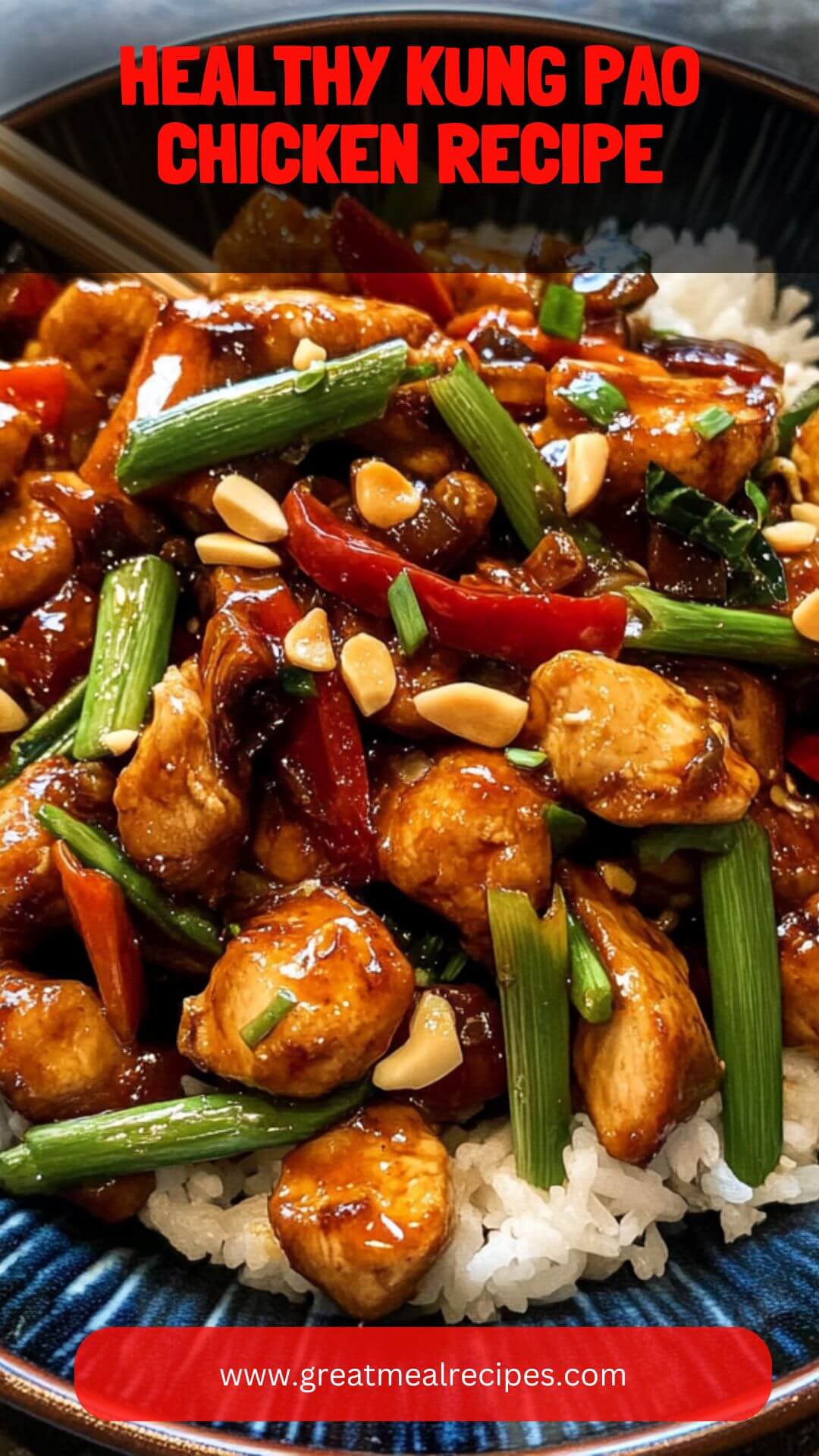
- Turn off the heat, drizzle toasted sesame oil over the dish, and sprinkle in the nuts. Mix gently and garnish with extra sliced green onions for a touch of color and fresh flavor. Serve this dish up alongside your chosen sides, and enjoy!
Notes
- Use Fresh Ingredients: Fresh veggies boost the flavor significantly. Try to get them from local farmers' markets if you can.
- Control the Spice: Adjust the amount of Sichuan peppercorns or red pepper flakes based on your heat tolerance.
- Customize It: Feel free to add other veggies like broccoli, snap peas, or carrots. Seasonal veggies work well here.
- Meal Prep: This dish can be cooked and stored, making it perfect for meal prep. Just store in airtight containers.
- Sauce Consistency: If you prefer a thicker sauce, let it simmer longer, or add a little more cornstarch mixed with water.