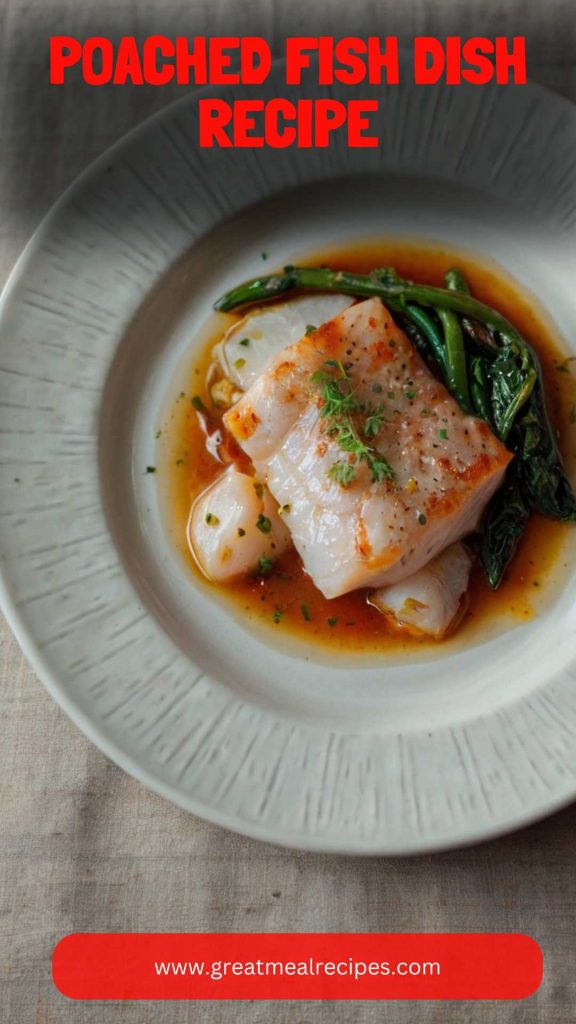
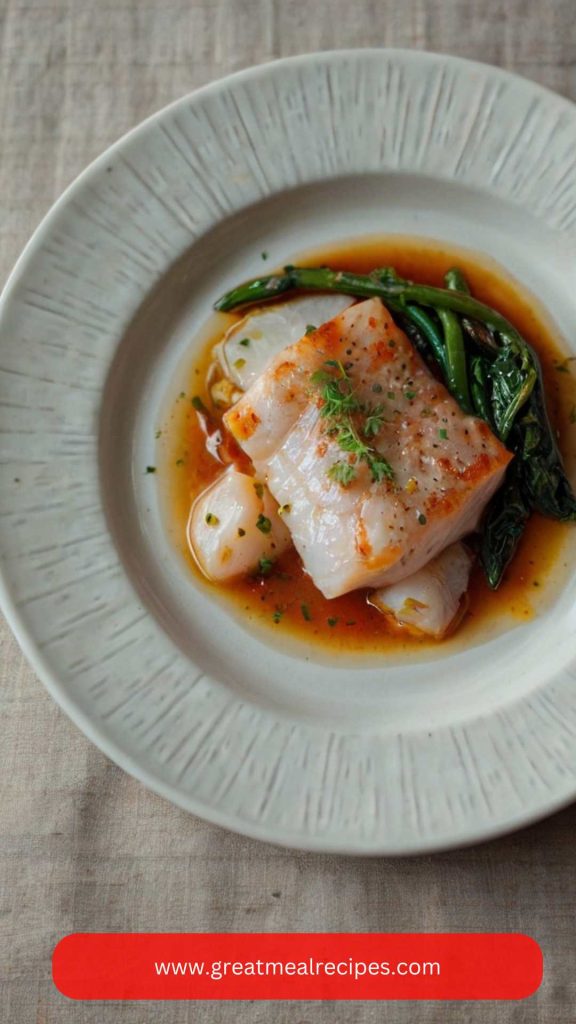
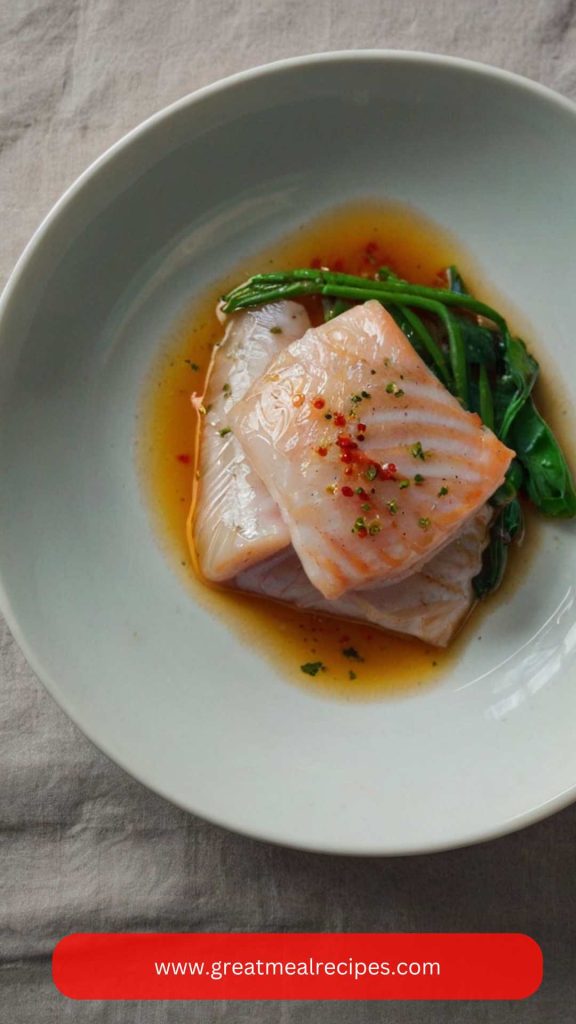
Before diving into poached fish, let’s explore some delightful pairings that can elevate this meal. First up, why not whip up a creamy risotto? The richness of the risotto complements the lightness of the fish beautifully. Alternatively, consider a fresh garden salad with a zesty vinaigrette; the brightness lifts the dish while maintaining a healthy profile. Roasted vegetables also fit the bill perfectly. Think asparagus or carrots; their sweetness adds natural depth. Lastly, for an accompanying sauce, a tangy lemon-dill sauce works wonders. It brightens the dish and brings out the flavors of the fish.
Poached fish might sound fancy, but it’s one of the simplest yet most rewarding ways to enjoy seafood. I remember the first time I successfully poached fish. It was a chilly Sunday afternoon, and I was feeling quite ambitious in the kitchen. I’d seen chefs on television do it with such ease, so why couldn't I? That experience opened my eyes to the art of poaching—a cooking method that’s gentle and meets fish flavors head-on. The way it locks in moisture while tempering the fish makes for a dish that’s simply divine.
In essence, poached fish is a cooking technique involving simmering fish in liquid. It might be seafood stock, wine, broth, or water, with aromatics thrown in for flavor. The gentle heat cooks the fish perfectly, ensuring it remains tender and moist. Think of poaching as the cooking method's secret handshake; it’s simple yet sophisticated.
Why This Recipe Works
This recipe stands out for several reasons. First, the choice of firm white fish, like black cod or sablefish, allows the poaching method to shine. The fish holds together without falling apart, which is crucial when handling delicate seafood. Next, the addition of ginger and garlic adds depth, enriching the broth without being overpowering. Lastly, the use of sake gives it an unexpected twist, introducing umami notes that create a delightful backdrop.
What You'll Need to Make This Dish
To embark on this culinary journey, gather the following ingredients:
1 pound of black cod or another firm white fish
1 small piece of fresh ginger, thinly sliced
1 clove of garlic, smashed
1 teaspoon of flaky sea salt
1 teaspoon of toasted sesame oil
2-3 fresh bay leaves
2 cups of Japanese sake
1 cup of seafood or chicken stock
How to Make Poached Fish
Let’s not keep you in suspense! Poaching fish may sound intimidating, but trust me, it’s straightforward. With the right ingredients and techniques, you can master it in no time.
Step 1: Prepare the Broth
To kick things off, combine sake, seafood or chicken stock, ginger, garlic, bay leaves, and sea salt in a large saucepan. Bring it to a gentle simmer. Keep a close eye, as you want it just warm enough to coax out the flavors, but not boiling away.
Step 2: Add the Fish
Once the broth is ready, lower the temperature so the liquid stays just below simmering. Gently add the fish to the broth. Make sure to fully submerge it. This is where the magic happens; the warm liquid will envelop the fish, cooking it to perfection.
Step 3: Monitor the Cooking Time
Let the fish poach for about 10-15 minutes, depending on the thickness. You want it to be opaque and flake easily with a fork. If you’re unsure, just softly poke it with a utensil; you’ll quickly get the hang of it!
Step 4: Remove and Serve
Carefully lift the fish out of the broth using a slotted spoon. Let the excess liquid drain off and transfer it to a plate. You can drizzle a little toasted sesame oil over it for flavor. This adds a delightful gloss and depth, making the dish visually appealing too.
Step 5: Garnish
For the final touch, garnish your poached fish with fresh herbs or a sprinkle of flaky sea salt. Adding a wedge of lemon on the side can also brighten the dish and allow your guests to add a zesty kick according to their preference.
Tips for Perfect Poached Fish
Choose the Right Fish: Opt for firm white fish. Black cod is my favorite, but halibut or salmon would work beautifully, too.
Control the Temperature: Keep the poaching liquid just below simmering. If it bubbles, your fish might end up overcooked.
Fresh Aromatics Matter: Using fresh ginger and garlic makes a significant difference. Their flavors are much more vibrant and enjoyable.
Don’t Rush the Process: Patience is key. Give the fish enough time to cook gently so it can soak up all that mellow goodness.
Pay Attention to Thickness: Thicker fillets might need a little extra time, so keep a close watch and adjust accordingly.
How to Store Leftovers
If you find yourself with leftover poached fish, no worries! It can be stored in an airtight container in the refrigerator for up to three days. To maintain freshness, ensure it cools to room temperature before sealing. If you’re feeling adventurous, flake the fish and toss it into a fresh salad for a quick meal the next day!
Nutrition Information
Eating poached fish is not just about savoring delicious flavors; it’s also a health-conscious choice. A 3-ounce serving of poached black cod contains approximately:
This makes it an excellent source of protein, with healthy fats that fuel your body.
How Would I Recommend Serving Poached Fish?
When it comes to serving poached fish, the options are nearly endless. Here are four suggestions that truly shine:
Over a Bed of Greens: Serve your fish on a bed of fresh spinach or arugula. The greens not only provide crispness but also create a beautiful contrast.
With Quinoa or Rice: Pair it with a side of fluffy quinoa or rice. Both will soak up any residual broth, elevating the overall dish and adding substance.
Accompanied by Seasonal Veggies: Lightly sautéed veggies such as zucchini or bell peppers bring color and additional nutrients to the plate.
As Part of a Wrap: Flake the fish and toss it into a whole grain wrap with crunchy vegetables and a light yogurt or tahini sauce. It’s a fantastic lunch option that’s sure to impress!
What Alternatives Can You Use for the Ingredients if Not Available?
Sometimes you just don’t have everything on hand. Here are some substitutes that work wonders without sacrificing flavor:
Substitute for Black Cod: Halibut or tilapia can replace black cod. They both have a mild flavor and firm texture.
Alternative to Sake: White wine or even apple cider vinegar diluted with water can serve as a suitable poaching liquid.
Instead of Seafood Stock: Consider using vegetable stock. It won’t overpower the dish, allowing the fish’s natural flavors to come through.
If Ginger or Garlic is Missing: Shallots can take their place, lending a milder sweetness and aromatic profile.
Conclusion
Poached fish is an underappreciated gem in the cooking world. It combines simplicity and elegance, allowing the natural flavors of the fish to shine. You don’t need culinary school training to do it right; just a little patience and the right ingredients. With this guide, you're well on your way to mastering the art of poaching. Trust me, once you get the hang of it, you'll impress your friends and family with a dish that's not only healthy but utterly delightful.
So, what are you waiting for? Dive into the kitchen and give this recipe a whirl! You won’t regret it.
Poached fish might sound fancy, but it’s one of the simplest yet most rewarding ways to enjoy seafood. I remember the first time I successfully poached fish. It was a chilly Sunday afternoon, and I was feeling quite ambitious in the kitchen. I’d seen chefs on television do it with such ease, so why couldn't I? That experience opened my eyes to the art of poaching—a cooking method that’s gentle and meets fish flavors head-on. The way it locks in moisture while tempering the fish makes for a dish that’s simply divine.
Ingredients
1pound of black cod or another firm white fish
1small piece of fresh ginger, thinly sliced
1clove of garlic, smashed
1teaspoon of flaky sea salt
1teaspoon of toasted sesame oil
2-3fresh bay leaves
2cups of Japanese sake
1cup of seafood or chicken stock
Instructions
1
Let’s not keep you in suspense! Poaching fish may sound intimidating, but trust me, it’s straightforward. With the right ingredients and techniques, you can master it in no time.
Step 1: Prepare the Broth
2
To kick things off, combine sake, seafood or chicken stock, ginger, garlic, bay leaves, and sea salt in a large saucepan. Bring it to a gentle simmer. Keep a close eye, as you want it just warm enough to coax out the flavors, but not boiling away.
Step 2: Add the Fish
3
Once the broth is ready, lower the temperature so the liquid stays just below simmering. Gently add the fish to the broth. Make sure to fully submerge it. This is where the magic happens; the warm liquid will envelop the fish, cooking it to perfection.
Step 3: Monitor the Cooking Time
4
Let the fish poach for about 10-15 minutes, depending on the thickness. You want it to be opaque and flake easily with a fork. If you’re unsure, just softly poke it with a utensil; you’ll quickly get the hang of it!
Step 4: Remove and Serve
5
Carefully lift the fish out of the broth using a slotted spoon. Let the excess liquid drain off and transfer it to a plate. You can drizzle a little toasted sesame oil over it for flavor. This adds a delightful gloss and depth, making the dish visually appealing too.
Step 5: Garnish
6
For the final touch, garnish your poached fish with fresh herbs or a sprinkle of flaky sea salt. Adding a wedge of lemon on the side can also brighten the dish and allow your guests to add a zesty kick according to their preference.
Nutrition Facts
Servings 4
Amount Per Serving
Calories334kcal
% Daily Value *
Total Fat12.8g20%
Saturated Fat4.4g23%
Cholesterol58mg20%
Sodium883mg37%
Total Carbohydrate27g9%
Sugars1g
Protein26g52%
* Percent Daily Values are based on a 2,000 calorie diet. Your daily value may be higher or lower depending on your calorie needs.
Note
Choose the Right Fish: Opt for firm white fish. Black cod is my favorite, but halibut or salmon would work beautifully, too.
Control the Temperature: Keep the poaching liquid just below simmering. If it bubbles, your fish might end up overcooked.
Fresh Aromatics Matter: Using fresh ginger and garlic makes a significant difference. Their flavors are much more vibrant and enjoyable.
Don’t Rush the Process: Patience is key. Give the fish enough time to cook gently so it can soak up all that mellow goodness.
Pay Attention to Thickness: Thicker fillets might need a little extra time, so keep a close watch and adjust accordingly.
Keywords:
Poached Fish Dish Recipe
Barbara Brito
Registered Dietitian & Food Enthusiasts
Barbara Brito is a Florida-based registered dietitian and the creator of Great Meal Recipes, where she shares nutritious, delicious, and easy-to-make meals for home cooks of all skill levels. With a passion for creating wholesome dishes that don’t sacrifice flavor, Barbara draws inspiration from her love of family, food, and simple cooking. Her blog focuses on accessible recipes that bring joy and balance to the kitchen.