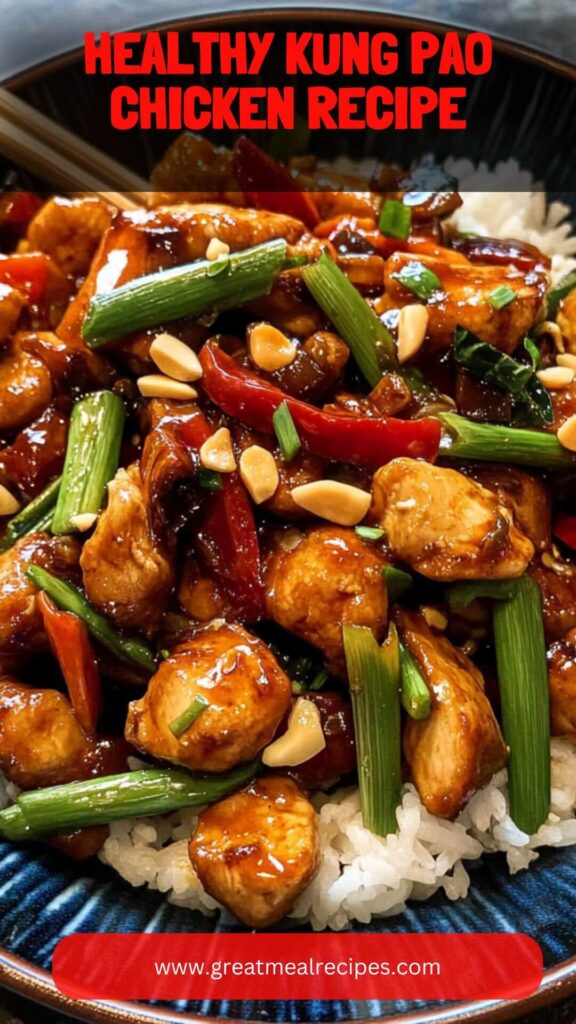
When it comes to healthy kung pao chicken, pairing it with the right sides transforms an ordinary meal into something truly special. A great option is steamed jasmine rice or brown rice.
The fluffiness of the rice balances the savory sauce beautifully. You could also try cauliflower rice for a low-carb version that absorbs the flavors wonderfully.
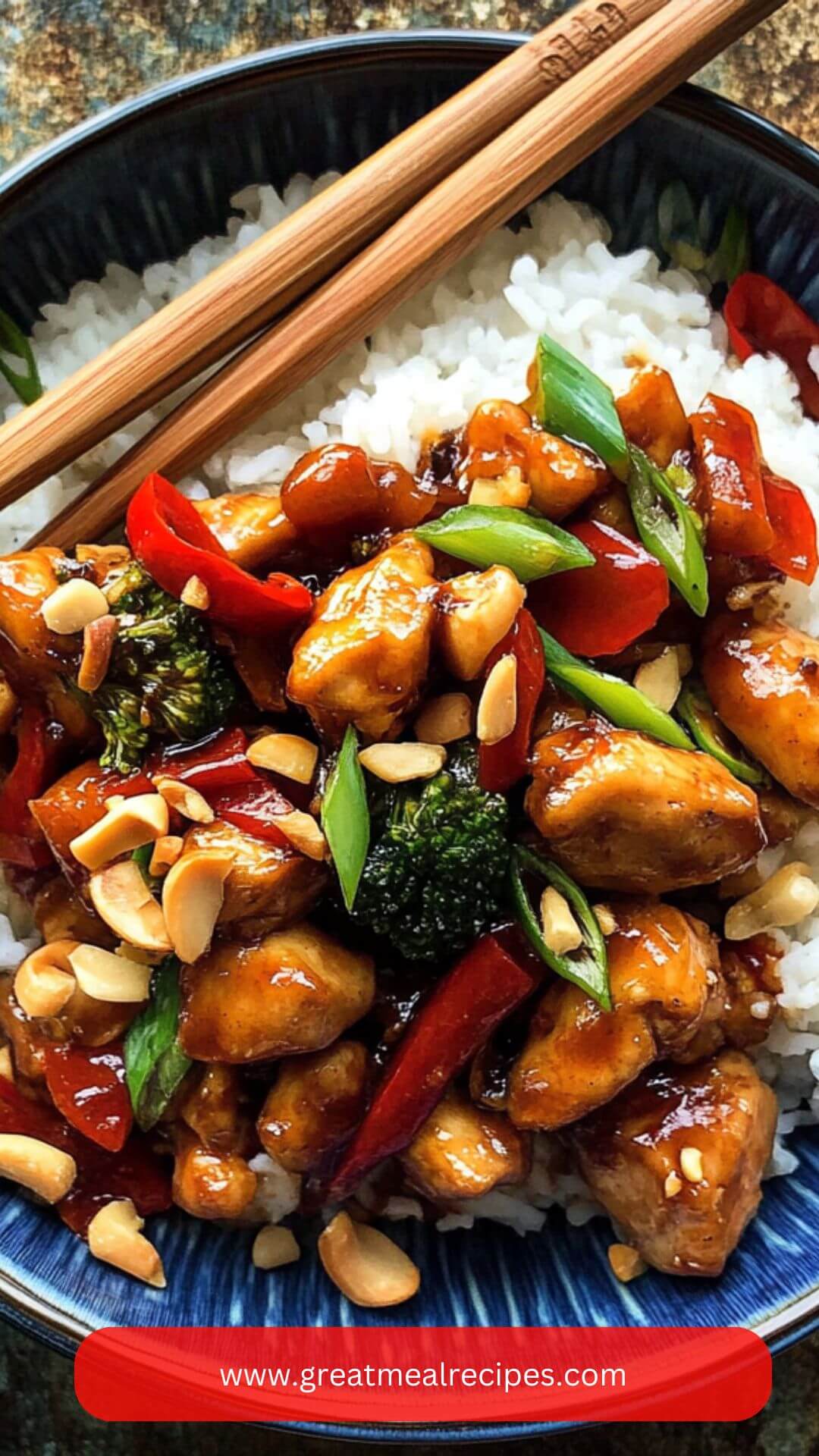
Another delicious pairing is a vibrant vegetable stir-fry. Crunchy broccoli, snow peas, and vibrant bell peppers add not just color but also texture to your plate.
Lastly, a simple green salad dressed with a light vinaigrette provides a refreshing contrast. A cool beverage like iced green tea or a light lemonade goes hand-in-hand with this dish, completing the dining experience.
What is Healthy Kung Pao Chicken?
Healthy kung pao chicken is a lighter version of the beloved Chinese dish. Traditionally, kung pao chicken consists of diced chicken, peanuts, vegetables, and a bold spicy sauce combined with flavors of soy, garlic, and ginger.
This healthy adaptation uses lean chicken breast, fresh veggies, and replaces high-sugar ingredients with natural sweeteners. It’s all about keeping the essence of the dish while making it enjoyable for your health.
How Does It Taste Like?
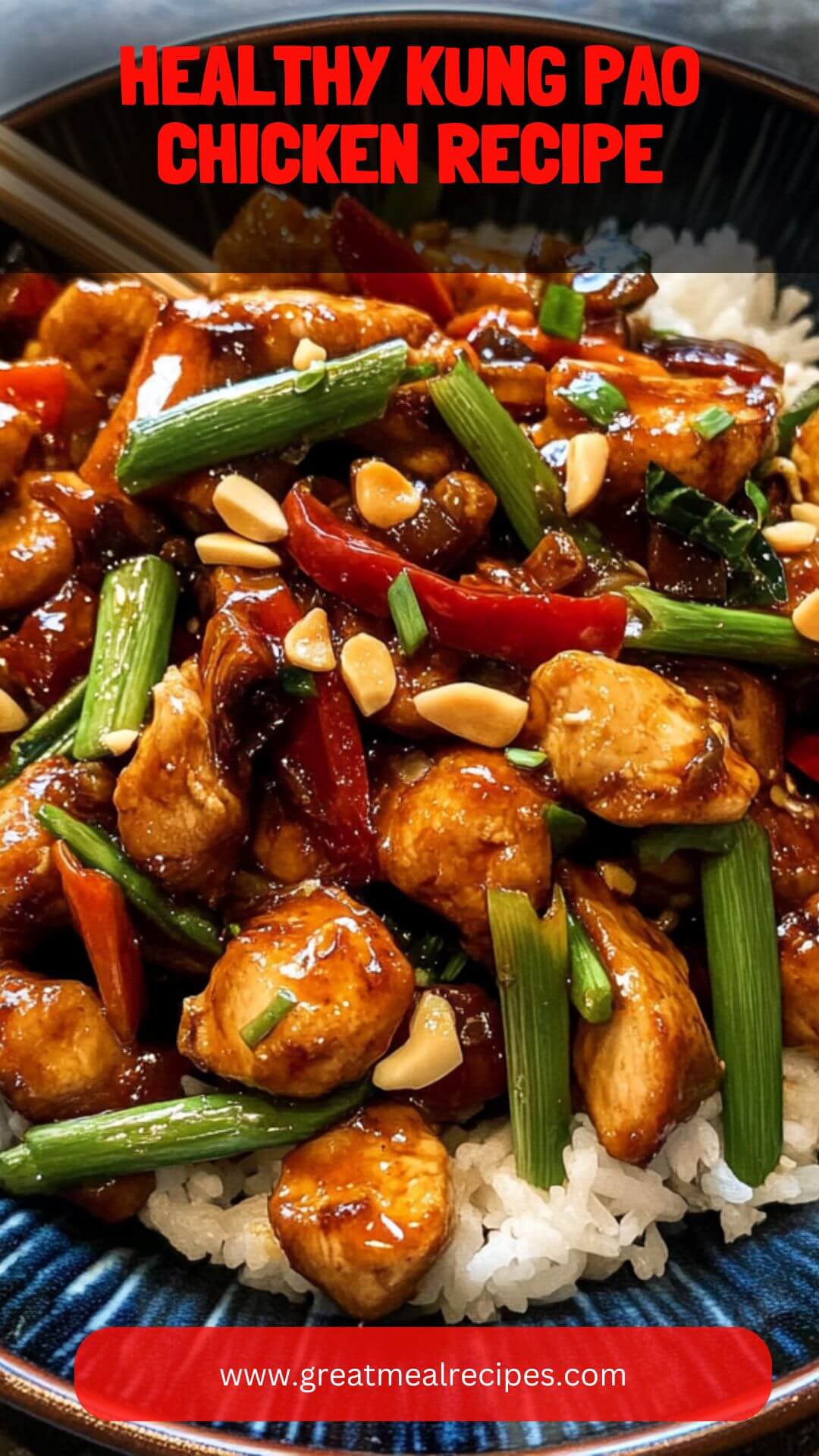
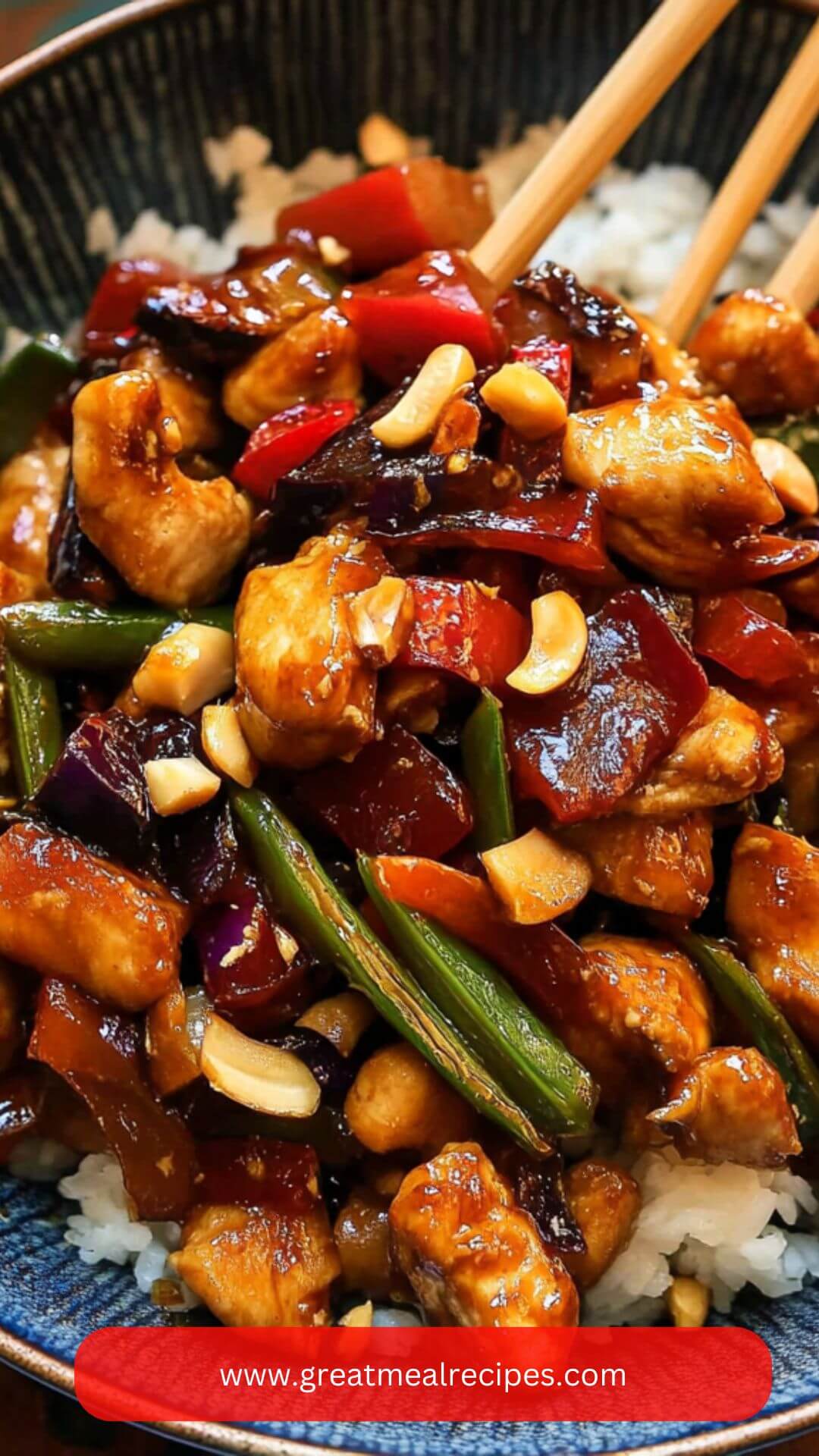
Imagine tender, juicy chicken coated in a glossy sauce, with a hint of sweetness and a delightful crunch from the peanuts. The fragrant spices play a symphony on your palate.
Each bite bursts with flavor and texture, supported by the freshness of the vegetables. There’s a satisfying heat from the peppers, complemented by the mellow sweetness. Trust me, this dish tastes divine.
Why You'll Love This?
You’ll adore this recipe for several reasons. First, it's versatile. You can mix and match vegetables based on what you have on hand. Second, it’s protein-packed, making it perfect for post-workout meals.
Third, it comes together in less than 30 minutes! Yes, you can serve dinner in less time than it takes to binge-watch a couple of episodes on your favorite show.
Finally, the dish is a fantastic way to entice family members who may be skeptical about healthy eating. When they see kung pao chicken on the table, they won’t even know they’re eating something healthy.
Ingredients
Here’s what you need to whip up this masterpiece:
- 4 tablespoons peanut oil or avocado oil
- 1 ½ pounds boneless, skinless chicken breasts, cut into bite-sized cubes
- 1 tablespoon plus 1 teaspoon arrowroot powder or cornstarch, for coating
- 2 tablespoons dry sherry or dry red wine
- 1/3 cup + 1 tablespoon low-sodium soy sauce
- 2 tablespoons honey or pure maple syrup (for a subtle sweetness)
- 2 tablespoons balsamic vinegar, for depth of flavor
- 1 tablespoon hoisin sauce (check my notes for a homemade version)
- 1 teaspoon rice vinegar (to brighten the flavors)
- ½ to 2 teaspoons Sichuan peppercorns or red pepper flakes, adjusted to taste
- 4 cloves garlic, finely minced or grated
- 1-inch piece fresh ginger, finely grated
- 2 red bell peppers, thinly sliced
- 1-2 red Fresno peppers, seeded if desired and thinly sliced
- 2 teaspoons toasted sesame oil, for a nutty finish
- ½ cup roasted cashews or peanuts (cashews add a creamier crunch)
- 4 green onions, thinly sliced, plus extra for garnish
Step-by-Step Directions
Step 1: Prepare the Ingredients
Start by gathering all your ingredients. Dice the chicken into bite-sized cubes, mince garlic, and grate ginger. Have the vegetables sliced and ready to go. This prep work is like setting the stage for a great performance.
Step 2: Coating the Chicken
In a bowl, mix the arrowroot powder or cornstarch with a pinch of salt. Toss the chicken pieces in the mixture until they're evenly coated. This step is crucial; it creates a nice texture for both frying and absorbing flavors.
Step 3: Making the Sauce
Combine the low-sodium soy sauce, dry sherry (or red wine), honey (or maple syrup), balsamic vinegar, hoisin sauce, and rice vinegar in a small bowl. Feel free to adjust the sweetness and spice levels to your preference. Set the mixture aside.
Step 4: Cooking the Chicken
Heat the peanut or avocado oil in a large skillet over medium-high heat. Once the oil is shimmering, add the chicken. Cook undisturbed for about 3-4 minutes, allowing a golden crust to form. Flip the chicken and cook for another 2-3 minutes until cooked through. Remove from the skillet and set aside.
Step 5: Stir-Frying the Vegetables
In the same skillet, add a little more oil if needed. Add the sliced red bell peppers and Fresno peppers. Sauté for approximately 2-3 minutes until they start to soften. Add the minced garlic and grated ginger, and stir continuously for an additional minute. The aroma of these ingredients sizzling in the skillet is something special!
Step 6: Bringing It All Together
Return the chicken to the skillet, and pour the sauce over everything. Stir to combine, ensuring the chicken and vegetables are well coated. Allow it to simmer for about 2-3 minutes, letting the flavors meld together. You’ll notice the sauce thickening slightly.
Step 7: Finishing Touches
Turn off the heat, drizzle toasted sesame oil over the dish, and sprinkle in the nuts. Mix gently and garnish with extra sliced green onions for a touch of color and fresh flavor. Serve this dish up alongside your chosen sides, and enjoy!
Tips on Making Healthy Kung Pao Chicken
- Use Fresh Ingredients: Fresh veggies boost the flavor significantly. Try to get them from local farmers' markets if you can.
- Control the Spice: Adjust the amount of Sichuan peppercorns or red pepper flakes based on your heat tolerance.
- Customize It: Feel free to add other veggies like broccoli, snap peas, or carrots. Seasonal veggies work well here.
- Meal Prep: This dish can be cooked and stored, making it perfect for meal prep. Just store in airtight containers.
- Sauce Consistency: If you prefer a thicker sauce, let it simmer longer, or add a little more cornstarch mixed with water.
Nutrition Information
One serving of healthy kung pao chicken (based on 4 servings) provides approximately:
- Calories: 350
- Protein: 30g
- Fat: 15g
- Carbohydrates: 25g
- Fiber: 2g
- Sugar: 5g
This meal is balanced and fulfilling, making it a good choice for anyone looking to eat healthily without sacrificing flavor.
How Do You Store Healthy Kung Pao Chicken?
Store any leftovers in an airtight container. It’s best to keep it in the refrigerator, where it will last for up to three days.
To reheat, simply warm it up in the microwave or on the stovetop until heated through. The flavors tend to deepen after a day or two, which is a tasty bonus!
What Other Substitutes Can You Use in Healthy Kung Pao Chicken?
If you want to tweak this recipe, here are five alternatives you might consider:
- Tofu Instead of Chicken: For a vegetarian or vegan option, use extra-firm tofu. Press it to remove moisture, then cube it and follow the recipe as you would with chicken.
- Quinoa Instead of Rice: Swap out the rice for cooked quinoa for a protein boost and added fiber. It’s gluten-free and offers a nutty flavor.
- Different Nuts: If you’re not a fan of peanuts or cashews, try almonds or walnuts. Each nut adds its unique texture and flavor.
- Zucchini Noodles: For a low-carb twist, replace rice with spiralized zucchini. It absorbs the sauce excellently and adds freshness.
- Coconut Aminos: For a soy sauce alternative, coconut aminos work well. It's lower in sodium and has a slightly sweeter taste.
Conclusion
Healthy kung pao chicken is not just a dish; it’s an experience loaded with vibrant flavors and textures that will appeal to everyone at the table. Whether you enjoy it on a busy weeknight or serve it at a get-together, it’s bound to impress.
With its wholesome ingredients and easy preparation, it fits perfectly into any healthy lifestyle. So dust off that wok, and let's get cooking. You’re just moments away from a plate filled with joy! Happy cooking, friends!
You’ll also like the following recipes!