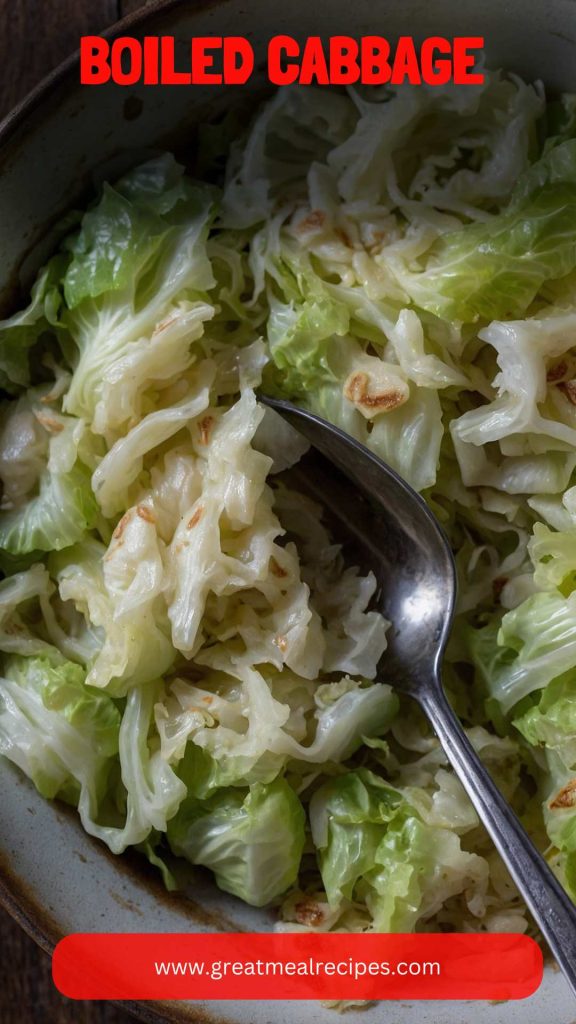
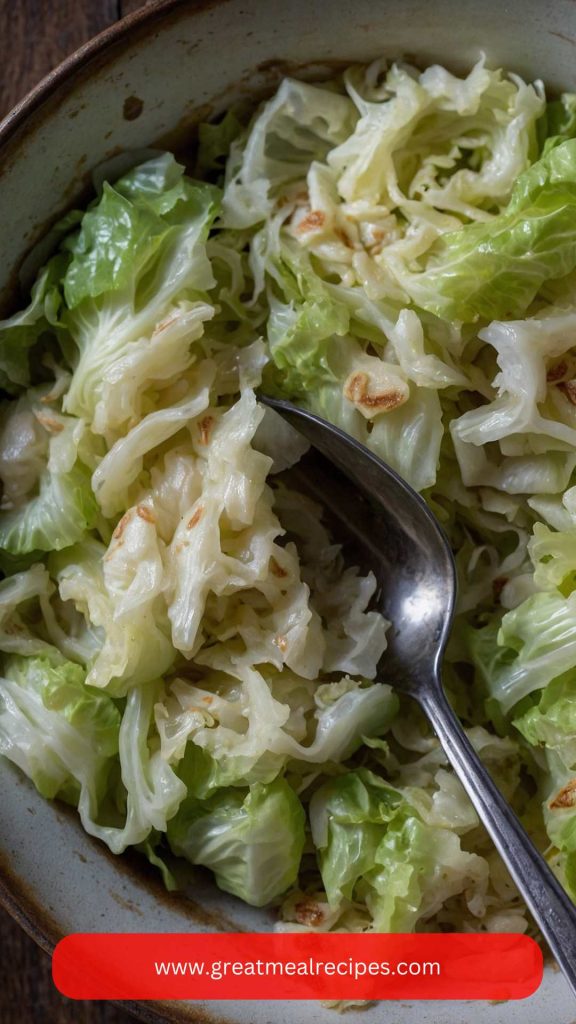
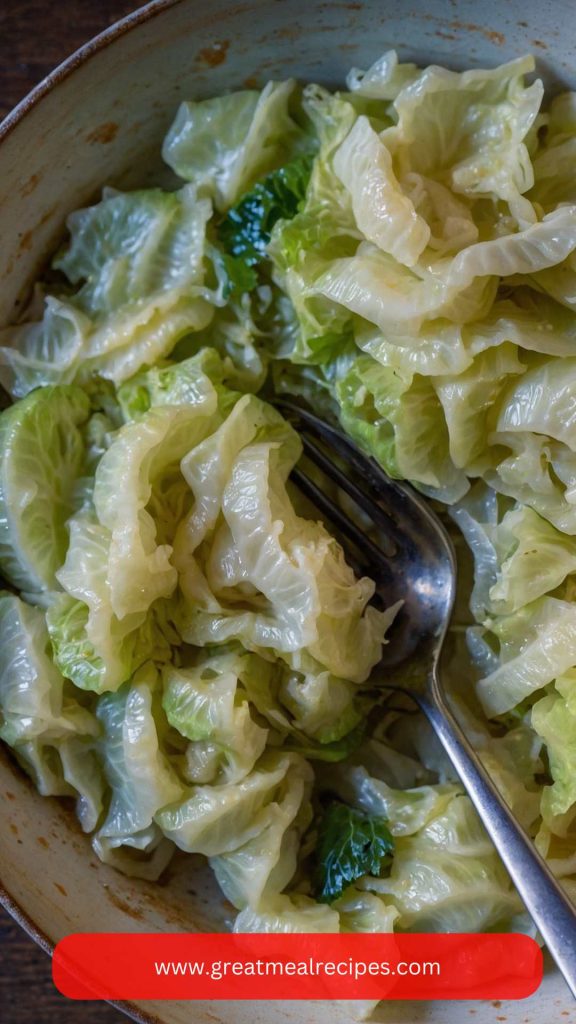
Before we dive into the real juicy details about boiled cabbage, let’s talk about the magic of pairing. This humble dish shines alongside many other foods. Picture a plate filled with tender, vibrant boiled cabbage complemented by savory roasted meats, tangy sausages, or hearty stews. It brings a gentle crunch and a subtle sweetness that enhances flavor without being overwhelming.
Want to punch your meal up a notch? Serve it with a drizzle of reduced balsamic vinegar or a sprinkle of cracked black pepper for that extra flavor boost. For a vegetarian touch, pair it with sautéed mushrooms or chickpeas. And let's not forget about grains! Quinoa or brown rice can marry well with boiled cabbage, creating a wholesome bowl that satisfies.
Cabbage often gets a bad rap, doesn't it? Perhaps in your childhood you were served boiled cabbage that made your face scrunch up in displeasure. But today, I’m on a mission. I want to show you that boiled cabbage can be delicious, nutritious, and downright delightful.
Throughout my own culinary journey, I’ve discovered the magic hidden in this leafy green. Its versatility is astounding. While I first encountered it as a soggy school cafeteria dish, I now view it as a blank canvas. With the right treatment, it can be vibrant, simple, and even comforting. Whether you’re on a health kick or just trying to use up a head of cabbage, this recipe can be a game changer in your kitchen.
Boiled cabbage is simply fresh cabbage leaves cooked in boiling water until tender. This method of cooking cabbage is quick and straightforward, allowing the vegetable to soften while preserving some crunch. It's a time-honored technique used in various cuisines around the world.
When you boil cabbage, the leaves transform from a crisp green to a soft and tender shade, infused with whatever seasonings you choose to add. Not only does this dish offer a healthy side option, but it’s also easily adaptable to suit your taste preferences.
What is the Flavor Profile of This Dish?
Now let’s talk flavor. At first glance, boiled cabbage might not appear enticing, but give it a chance. The natural sweetness of the cabbage shines through once cooked. The subtle earthiness complements a range of other flavors, making it a perfect canvas for your creativity.
In my experience, the addition of garlic brings an aromatic depth. It’s not overpowering but rather adds warmth and character to the dish. A touch of apple cider vinegar brightens everything up, making the cabbage sing! So, in essence, you have a combination of sweet, savory, and slightly tart flavors all coming together.
What Makes This Recipe Different From Other Boiled Cabbage?
What sets my boiled cabbage recipe apart is simplicity paired with flavor. Many traditional recipes rely heavily on specific spices or overly complicated methods. My approach favors fresh, minimal ingredients that enhance rather than overwhelm the cabbage's natural taste.
While some recipes add heavy cream or cheesey sauces, my version respects the integrity of cabbage while amplifying its goodness. It’s flexible enough to incorporate your favorites, whether those are spices, sauces, or extra vegetables. What I cherish about this particular recipe is its ability to shine on its own and the ease of tossing new flavors in!
Ingredients You'll Need
Ready to get cooking? Here’s what you’ll need for perfectly boiled cabbage:
1 large head of fresh green cabbage: Look for one that feels heavy and has vibrant leaves.
2 cloves of garlic, minced: Adds a lovely flavor depth.
1 tsp apple cider vinegar (optional): This is the secret weapon that brightens the dish.
2 Tbsp salted butter (or extra-virgin olive oil): For richness, choose your favorite fat.
A pinch of kosher salt, to taste: Essential for flavor.
Freshly ground black pepper, to taste: Adds warmth and final touch.
Step by Step Directions
Now, let’s cook! Follow these steps to create your delicious boiled cabbage.
Step 1: Prepare the Cabbage
Start by trimming the base of the cabbage head. Rinse it under cold water to remove any dirt. Then slice it into quarters. You could also cut it into smaller wedges if preferred. Keep those pieces uniform for even cooking.
Step 2: Bring Water to a Boil
In a large pot, fill it with water and add a pinch of salt. Bring this to a rolling boil. The salt enhances the flavor of the cabbage as it cooks.
Step 3: Cook the Cabbage
Once the water is boiling, gently drop in your cabbage. Boil just until tender, about 6-8 minutes for quartered cabbage. If you prefer a crunch, stick to the lower side of the time. You’ll know it's done when a knife slides in and out with ease.
Step 4: Drain and Wash
After boiling, carefully drain the cabbage in a colander. Rinse it briefly under cold water to stop the cooking process. This helps maintain the color and texture.
Step 5: Sauté with Garlic and Butter
In the same pot, melt butter (or heat olive oil) over medium heat. Once it's melted, add the minced garlic. Sauté for about a minute until fragrant, but keep a close eye—burned garlic is not a friend. Quickly return the drained cabbage to the pot and toss to coat, allowing it to absorb all those lovely flavors.
Step 6: Season and Finish
Remove from heat. Add the apple cider vinegar (if using), salt, and freshly ground black pepper to taste. Give it a final gentle toss to combine everything.
Step 7: Serve Warm
Now for the best part—dig in! Serve it warm as a delightful side. Enjoy the victory of creating a dish that redefines boiled cabbage.
Tips on Making Boiled Cabbage
Here are some nifty tips to ensure your boiled cabbage comes out perfect every time:
Choose Fresh Ingredients: Fresh cabbage makes all the difference. Look for crisp, bright green heads.
Adjust Cooking Time: Test the cabbage at intervals to ensure the texture remains to your liking. It can go from perfect to mushy in seconds.
Experiment with Add-Ins: Feel free to toss in a pinch of red pepper flakes, onion, or a sprinkle of Parmesan cheese for added flavor.
Use Good Quality Fat: Whether you opt for butter or olive oil, select high-quality options for the best taste.
Make-Ahead Friendly: You can prepare boiled cabbage in advance. Reheat gently in a pan to keep it from becoming too soft.
Nutrition Information
Let’s break down the nutrition. Cabbage is low in calories but high in nutrients, making it a fantastic addition to any meal. Per serving, boiled cabbage can offer:
Calories: Approximately 50
Carbohydrates: 11 grams
Fiber: 5 grams
Protein: 2 grams
Vitamin C: About 70% of your daily requirement
Vitamin K: Essential for heart and bone health
This means you're nourishing your body while savoring every bite. Quite a great deal, if you ask me!
How Can I Store This Boiled Cabbage?
If you can resist finishing it all in one go, here’s how to store the leftover boiled cabbage:
Refrigerate: Store it in an airtight container for up to three days.
Freeze: If you want to keep it longer, freeze portions in freezer bags. Just be mindful that the texture will alter slightly when reheated.
Substitute Options for Ingredients
Sometimes, we don’t have everything on hand. Here are some great substitutes:
Cabbage Alternatives: If you’re out of cabbage, consider Broccoli or Kale. They also offer a crunchy texture and similar health benefits.
Garlic Substitute: No garlic? No problem! Try Shallots for a milder onion flavor or Garlic Powder for a quick fix.
Butter Substitute: Use Coconut Oil or Ghee for a dairy-free option.
Apple Cider Vinegar Substitute: Substitute Lemon Juice for a tangy citrus twist that brightens the dish.
Conclusion
So there you have it! Boiled cabbage isn’t just a forgotten dish of the past; it’s a versatile ingredient that, when treated right, can become the star of your table. The combination of straightforward preparation, nutritional value, and flavor possibilities means it deserves a spot in any kitchen.
Remember, whether served as a side or mixed with your favorite ingredients, boiled cabbage can surprise you. Next time you find yourself with a head of cabbage, don’t pass it up; embrace it. Break free from the drudgery of your childhood and explore its potential in your own culinary journey! Now, let’s get cooking!
Cabbage often gets a bad rap, doesn't it? Perhaps in your childhood you were served boiled cabbage that made your face scrunch up in displeasure. But today, I’m on a mission. I want to show you that boiled cabbage can be delicious, nutritious, and downright delightful.
Throughout my own culinary journey, I’ve discovered the magic hidden in this leafy green. Its versatility is astounding. While I first encountered it as a soggy school cafeteria dish, I now view it as a blank canvas. With the right treatment, it can be vibrant, simple, and even comforting. Whether you’re on a health kick or just trying to use up a head of cabbage, this recipe can be a game changer in your kitchen.
Ingredients
1large head of fresh green cabbage: Look for one that feels heavy and has vibrant leaves.
2cloves of garlic, minced: Adds a lovely flavor depth.
1tsp apple cider vinegar (optional)
2Tbsp salted butter (or extra-virgin olive oil)
A pinch of kosher salt, to taste: Essential for flavor.
Freshly ground black pepper, to taste: Adds warmth and final touch.
Instructions
1
Now, let’s cook! Follow these steps to create your delicious boiled cabbage.
Step 1: Prepare the Cabbage
2
Start by trimming the base of the cabbage head. Rinse it under cold water to remove any dirt. Then slice it into quarters. You could also cut it into smaller wedges if preferred. Keep those pieces uniform for even cooking.
Step 2: Bring Water to a Boil
3
In a large pot, fill it with water and add a pinch of salt. Bring this to a rolling boil. The salt enhances the flavor of the cabbage as it cooks.
Step 3: Cook the Cabbage
4
Once the water is boiling, gently drop in your cabbage. Boil just until tender, about 6-8 minutes for quartered cabbage. If you prefer a crunch, stick to the lower side of the time. You’ll know it's done when a knife slides in and out with ease.
Step 4: Drain and Wash
5
After boiling, carefully drain the cabbage in a colander. Rinse it briefly under cold water to stop the cooking process. This helps maintain the color and texture.
Step 5: Sauté with Garlic and Butter
6
In the same pot, melt butter (or heat olive oil) over medium heat. Once it's melted, add the minced garlic. Sauté for about a minute until fragrant, but keep a close eye—burned garlic is not a friend. Quickly return the drained cabbage to the pot and toss to coat, allowing it to absorb all those lovely flavors.
Step 6: Season and Finish
7
Remove from heat. Add the apple cider vinegar (if using), salt, and freshly ground black pepper to taste. Give it a final gentle toss to combine everything.
Step 7: Serve Warm
8
Now for the best part—dig in! Serve it warm as a delightful side. Enjoy the victory of creating a dish that redefines boiled cabbage.
Nutrition Facts
Servings 4
Amount Per Serving
% Daily Value *
Total Carbohydrate11g4%
Dietary Fiber5g20%
Protein2g4%
* Percent Daily Values are based on a 2,000 calorie diet. Your daily value may be higher or lower depending on your calorie needs.
Note
Here are some nifty tips to ensure your boiled cabbage comes out perfect every time:
Choose Fresh Ingredients: Fresh cabbage makes all the difference. Look for crisp, bright green heads.
Adjust Cooking Time: Test the cabbage at intervals to ensure the texture remains to your liking. It can go from perfect to mushy in seconds.
Experiment with Add-Ins: Feel free to toss in a pinch of red pepper flakes, onion, or a sprinkle of Parmesan cheese for added flavor.
Use Good Quality Fat: Whether you opt for butter or olive oil, select high-quality options for the best taste.
Make-Ahead Friendly: You can prepare boiled cabbage in advance. Reheat gently in a pan to keep it from becoming too soft.
Keywords:
Boiled Cabbage
Barbara Brito
Registered Dietitian & Food Enthusiasts
Barbara Brito is a Florida-based registered dietitian and the creator of Great Meal Recipes, where she shares nutritious, delicious, and easy-to-make meals for home cooks of all skill levels. With a passion for creating wholesome dishes that don’t sacrifice flavor, Barbara draws inspiration from her love of family, food, and simple cooking. Her blog focuses on accessible recipes that bring joy and balance to the kitchen.